
Product design is the discipline of developing functional, three-dimensional objects from initial concept through to physical production. The practice sits at the intersection of form, function, materials, and manufacturing, and for designers drawn to toys, collectibles, and figurines, it is the framework that turns a creative idea into an object that can actually be built, finished, and held.
The discipline covers more ground than it first appears. Product designers work across both digital and physical domains, from CAD modeling and digital sculpting through to physical prototyping, surface finishing, and production documentation. While the object changes from project to project, the underlying sequence of decisions does not.
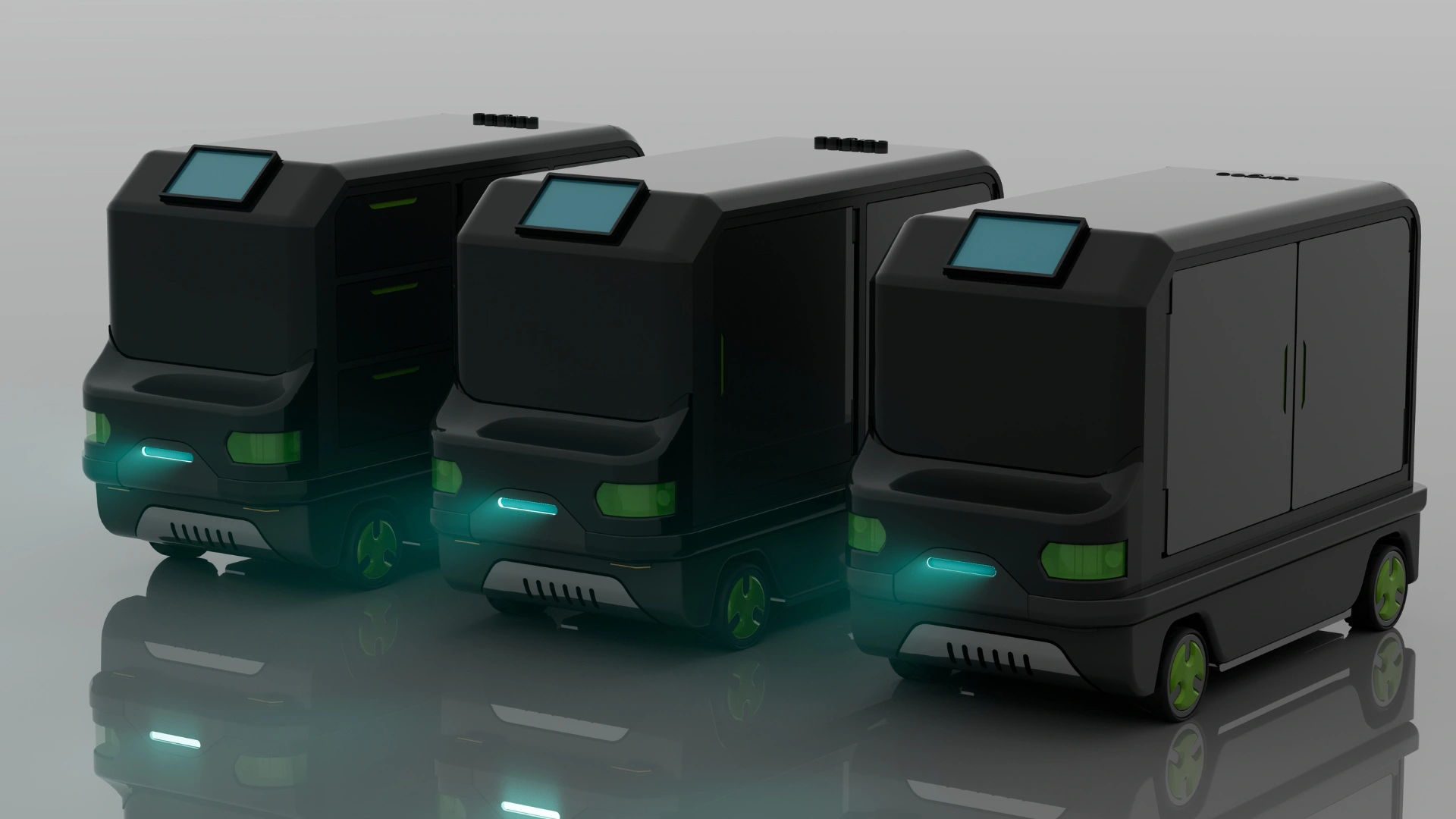
Featured Work: 3D Render by Nadia Budiawan
What Product Design Involves
Product design is the process of conceiving and developing objects that satisfy a specific function while achieving a considered visual form. Form, material selection, ergonomics, user safety, and manufacturability operate as interconnected decisions rather than sequential ones, and a choice made at the concept stage will reverberate through every phase that follows. Selecting a material affects which surface finishes are achievable. Committing to a form determines which manufacturing processes are viable. Neither can be fully resolved without understanding the other.
The scope runs from the conceptual to the highly technical. Product designers must understand how objects are manufactured, how materials behave under different conditions, how users interact with physical forms, and how visual decisions translate into the real world when a digital model becomes something a person can hold. In the right designer's hands, those constraints stop being limitations. They become the vocabulary the design is built from.
The Product Design Process
The product design process is a structured sequence of decisions that moves a concept from initial idea to a finished, production-ready object. Each phase builds on the last, and the quality of decisions made early determines what is possible later.
1. Research and Concept Development
Before any form is committed to, product designers identify user needs, safety requirements, manufacturing constraints, and material possibilities. This phase is analytical before it is creative. Designers gather references, map the constraints within which the object must operate, and generate concept directions through ideation sketching and concept art.
The goal is to arrive at a clear design direction that has been tested against practical requirements, not just visual preferences. A figurine designed for resin casting has different tolerances and structural considerations than one designed for injection molding, and those differences need to be understood before the silhouette is finalized.
2. Digital Prototyping
Digital prototyping is where the concept becomes a three-dimensional model. Designers build and iterate in CAD software such as Fusion 360, testing form, proportion, structural integrity, and engineering requirements before any physical material is committed to. This is also where what is digital product design becomes most concrete: the digital environment allows for rapid iteration on tolerances, assembly logic, and structural detail at a fraction of the time and cost of physical prototyping.
Adjustments that would require rebuilding a physical model entirely can be resolved in hours. The deeper a designer's command of what 3D modeling involves, the more precisely this phase can be executed. A Diploma in 3D Animation, VFX & 3D Modeling builds the spatial and technical foundation that makes digital prototyping accurate rather than approximate.
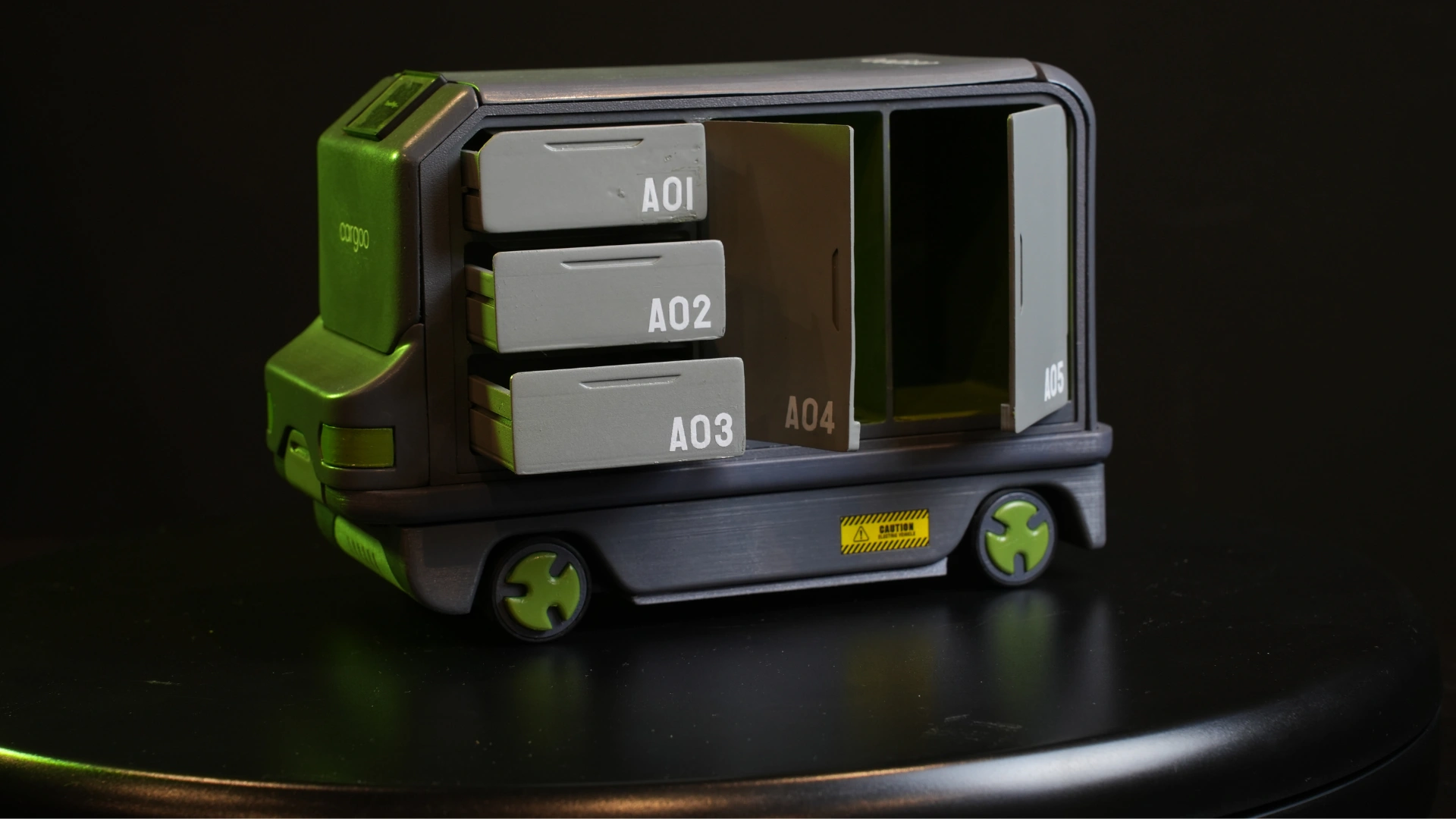
Featured Work: Product Design Final Output by Nadia Budiawan
3. Physical Production and Finishing
The digital model is converted into a physical prototype through processes including 3D printing, casting, and molding. This phase introduces the material realities the digital model approximated: weight, surface texture, structural behavior under load, and the visual character of different finishes.
Painting and airbrushing are applied to achieve production-ready surfaces, and the gap between what the model looked like on screen and what it becomes in the hand is where a designer's finishing skill is tested most directly. The object that emerges from this phase either goes to production or returns to iteration.
Featured Video: Nadya Budiwan Product Design Demoreel
Where Product Design Is Applied
Product design operates across a wide range of industries and object types. The same foundational process applies regardless of what is being designed.
- Toys and collectibles: Figurines, sculpted character objects, and limited-edition products designed for precision manufacturing. This is a discipline where visual character, material behavior, and production tolerances converge in a single object. Designers working in this space develop expertise in both digital sculpting and physical finishing, and the process of taking a custom action figure from concept sketch to finished physical piece illustrates how those decisions stack.
- Consumer goods: Everyday objects developed around ergonomics, aesthetics, and efficient production. The functional requirements are front-loaded, and the visual form has to coexist with user safety and manufacturing cost.
- Industrial and functional products: Tools, devices, and components shaped by performance requirements and user safety. Form follows function most strictly here, with visual design serving the object's operational purpose.
- Advertising and visualization: Physical and rendered product models used for marketing, retail displays, and virtual showrooms. Products in this context need to read correctly under camera and lighting conditions as much as in the hand.
Develop Your Skills in Figurine & Product Design at 3dsense Media School
For designers exploring how to learn product design within a professional framework, the path from creative interest to production-ready practice depends heavily on the depth of instruction and the range of processes covered. Structured programs are also the most reliable way to improve product design skills across the full cycle, from concept development through to physical production.
At 3dsense Media School, the Figurine & Product Design Diploma covers the full design cycle across 12 intensive months, from concept development and digital sculpting through to physical prototyping, casting, and production-ready finishing. Students are mentored by practicing industry professionals with backgrounds in toy manufacturing, industrial design, and sustainable materials. Singapore Citizens and Permanent Residents are eligible for SkillsFuture subsidies toward the program fee.
Build the foundation for a career in figurine and product design at 3dsense Media School, a media design school ranked as the Top 5 Creative School Worldwide by The Rookies in 2025.

 Chat Now