
For aspiring digital artists, it’s hard to decide where to study because everyone has different goals and learning styles. But one thing that’s clear — it’s crucial to find a program that’s focused on industry preparation. That’s why, rather than pursuing broad creative degrees, many artists prioritize programs that train them specifically for defined roles.
Asia has long been the home for outsourced creative work for Hollywood and the gaming industry. So it makes sense for students to view Asian schools as the perfect destination for production-focused education! Among such schools, Singapore’s 3dsense Media School ranks consistently high for its industry-structured, “portfolio-first” approach. It offers not only role-specific specialization, but also features workflows and production pipelines that mirror real studio processes.
Whether artists are looking to work in games, animation, and VFX studios, 3dsense’s intensive, streamlined programs are designed to help them build the technical skills, specialization, and portfolio needed to step into production-focused roles quickly.
Shifting To Industry-Focused Digital Art Education
The digital art industry has changed significantly over the past decade, changing what studios expect from potential hires. Instead of hiring for broad creative ability, employers need artists with specialized skills that match actual production needs. For example:
- Game studios want artists who can work with real-time engines and create optimized assets.
- Animation studios need artists who understand production pipelines, shot-based workflows, modeling, rigging, layout, and lighting.
- VFX studios prioritize skills related to simulations, compositing, and cinematic shot execution.
As you can see, each discipline requires distinct technical and artistic skill sets, making career specialization increasingly important. Alas, traditional creative education often fails to deliver in that regard. They teach broad academic foundations, but don’t show students how to contribute within pipelines on job-specific tasks. Such gaps in practical education can leave graduates surprised when employers keep passing them over.
To close those gaps, many creative schools have geared up to provide industry-focused training instead of generalized instruction. Such programs emphasize role-specific development, job-ready skills, collaborative workflows, and portfolio-driven outcomes.
In other words, they prepare students to start working immediately after graduation!

Why Pipeline-Based Training Matters
Understanding production pipelines influences how artists approach their work. Game artists must balance visual fidelity with performance constraints. Animators focus on motion, acting, and timing. VFX artists work with simulations and technical problem-solving.
Training within these structures helps students develop both technical skills and production awareness. It also prepares them for collaborative environments where assets, animation, and effects must integrate seamlessly.
As studios increasingly hire for specialized roles, artists who understand pipelines can better position themselves and gain an advantage over the competition.


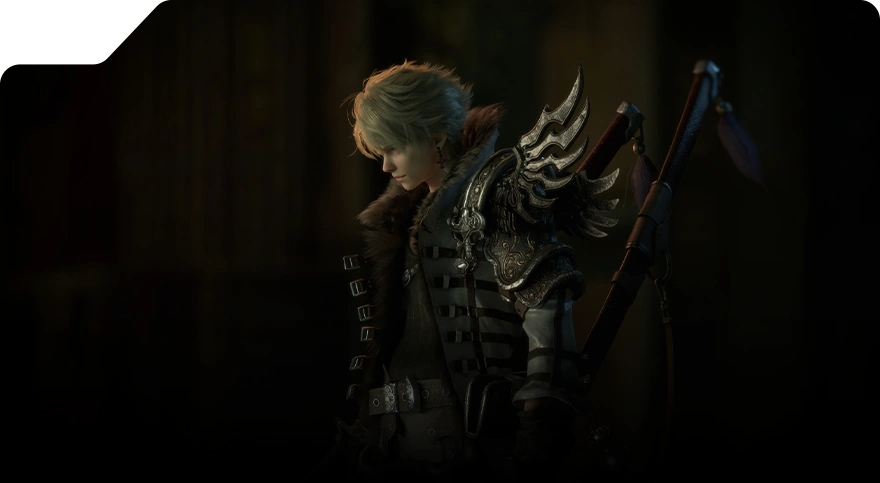
From left to right: Graduate works by Choomcherd Virapat and Rayen Liu
What Makes Asia a Hotspot for Digital Art Training
Artist students aren’t just looking for broad, time-consuming academic experiences anymore, because that’s not what employers need.
Students seek targeted training that will help them build practical skills and become competitive for specific roles. And Asian schools have answered the call, transforming the region into a major hub for digital media education in game development, animation, concept art, and VFX. These shorter, intensive programs emphasize:
- Structured assignments
- Technical workflows
- Discipline-specific skills
- Real-world pipelines
- Production efficiency
- Portfolio development
- Alignment with professional studio needs.
As we mentioned, Asia has always been a global powerhouse relied upon for outsourced art and VFX production. Now it’s also a hotspot for training programs that provide streamlined paths toward roles such as Game Artist, Concept Artist, Animator, or VFX Artist.
A Production-Focused Approach at 3dsense
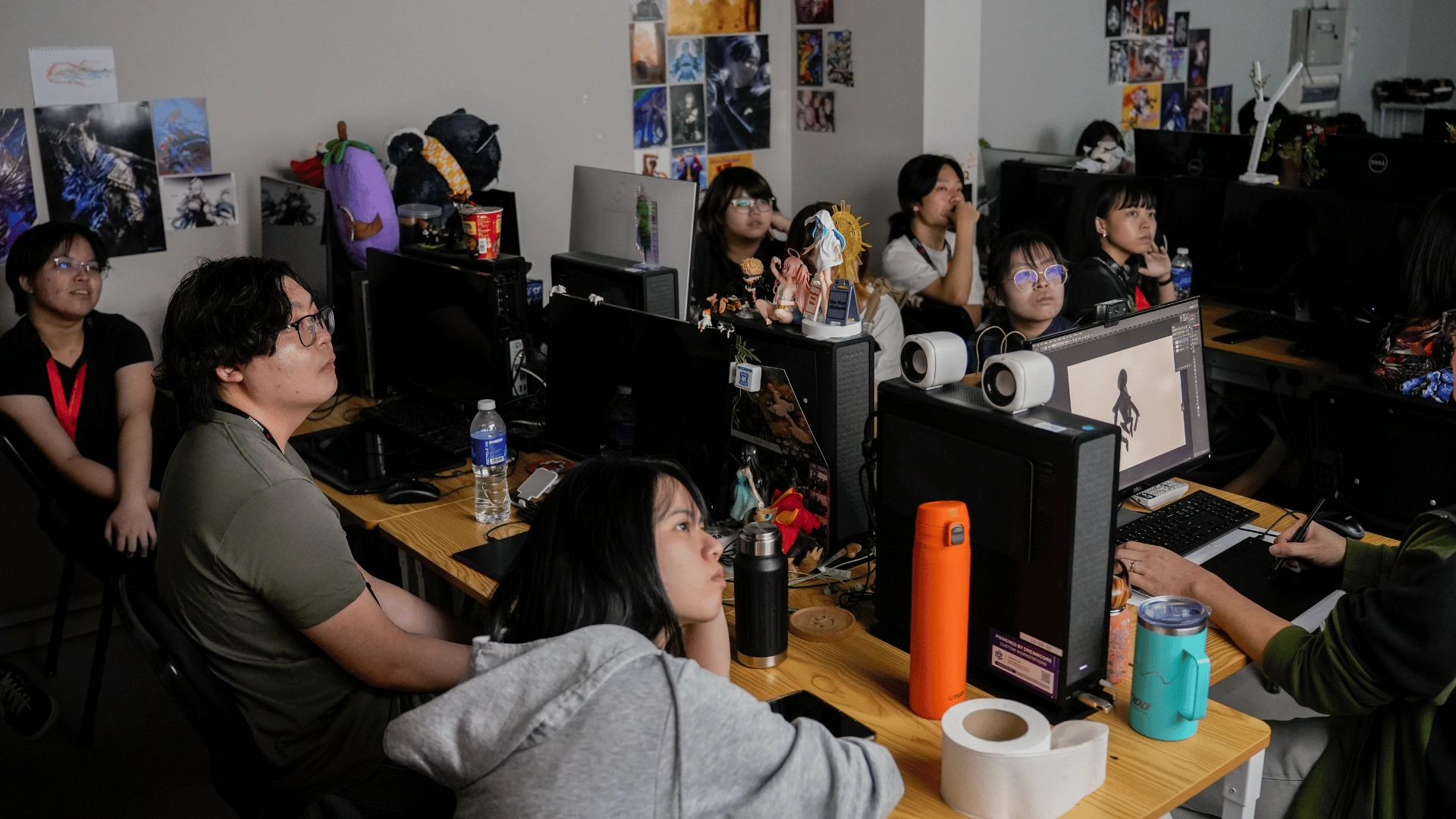
3dsense Media School in Singapore was intentionally founded to address the need for specialized, industry-aligned creative arts training. Its programs are structured around the exact workflows used in professional game and film pipelines, allowing students to essentially practice what they’ll be doing in their future jobs.
For instance, at 3dsense, students pursuing game art concentrate on real-time asset creation, optimization, and engine integration. Those studying animation develop character performance, acting principles, and cinematic storytelling. VFX training emphasizes simulations, procedural workflows, and shot-based production.
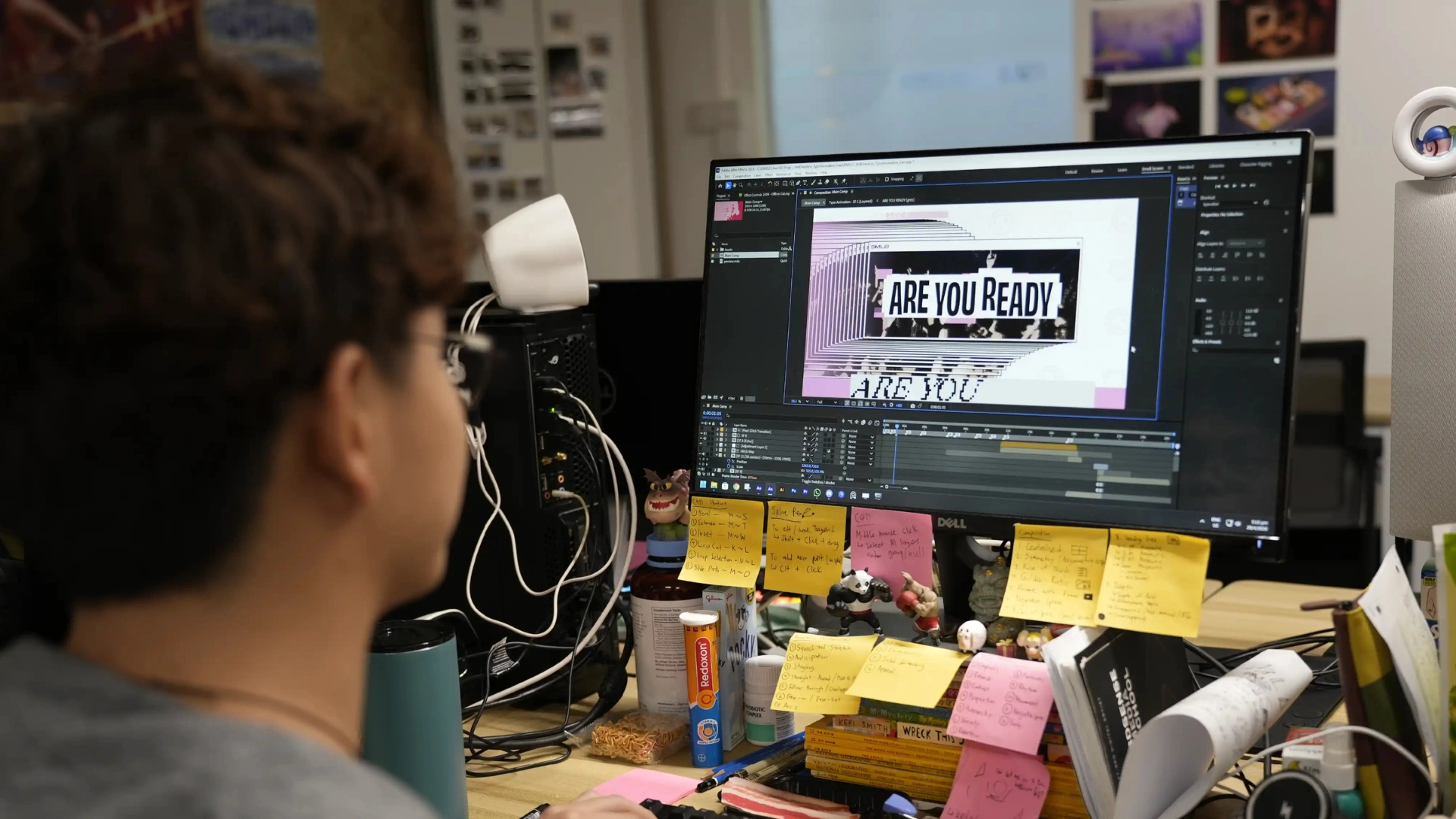
Rather than learning tools in isolation, students build projects that reflect how work moves through collaborative pipelines. This approach mirrors studio environments, encourages artists to understand how their contributions fit into real-world productions, allows them to refine their strengths, and gives them a chance to build targeted portfolios they can use when applying for work.


From left to right: Graduate works by Luke Tan and Teo Lee Chong
Expanding Across Core Creative Disciplines
3dsense Media School’s production-focused approach is applied across multiple creative disciplines, including:
- Game Art & 3D Animation - Start with foundational knowledge in drawing techniques, anatomy, and basic game design concepts, then shift into a specialization in 3D Modeling or 3D Animation to refine skills and build a portfolio tailored to the global gaming industry.
- 3D Animation, VFX & 3D Modeling - A 12-month intensive program for aspiring animators and VFX artists who want to craft characters, bring images to life, and master advanced techniques in 3D animation, visual effects, and 3D modeling.
- Concept Art & Illustration - A 12-month diploma program made for aspiring 2D artists and digital illustrators interested in digital painting, character design, and visual storytelling for the games and entertainment design industries.
- Motion & Graphic Design - A one-year diploma program focused on motion design, graphic design, and visual communication, including typography, branding, and design-driven storytelling.
Across all 3dsense programs, the emphasis remains consistent: role-specific training, project-based learning, and portfolio development that reflects real production expectations. This ensures that, regardless of discipline, students are building work that aligns with how studios actually operate.




 Chat Now