
If you have ever been captivated by the visual fidelity of modern cinematic sequences or the immersive rendering in contemporary video games, chances are you’ve experienced the magic of Computer-Generated Imagery (CGI) and 3D animation. While these two terms are often used interchangeably, they represent distinct aspects within the digital art production pipeline.
Understanding what makes CGI and 3D animation unique can help you decide which career path to take, whether you dream of working on blockbuster films or crafting animated shorts.
What Is CGI?
CGI, or Computer-Generated Imagery, constitutes all visual content that’s produced using computer software. Fundamentally, CGI denotes any visual asset, be it a static render or a dynamic sequence, generated digitally rather than captured by a camera.
In contrast to traditional photography or painting, CGI allows artists to create visuals entirely from imagination or concept. It can be 2D or 3D, and it’s used across multiple industries to bring ideas to life. Therefore, 3D animation can be a form of CGI, but one that is in motion.
How CGI Is Used in Different Industries
As a CGI artist, your skills can open doors to a wide range of industries that depend on visual storytelling, realism, and creativity. Whether you’re drawn to entertainment, marketing, or technology, CGI takes visual communication to the next level. Some of the applications of CGI include:
- Product Visualization: Brands rely on CGI imagery to create photorealistic product renders for marketing campaigns without needing physical samples.
- Advertising: CGI offers complete control over lighting, textures, and camera angles, allowing advertisers to produce “perfect” visuals that traditional photography can’t match.
- Virtual Showrooms & Interactive Experiences: These days, businesses use CGI creation to develop virtual spaces where customers can explore products interactively.
- Film, TV, and Video Production: From alien worlds to realistic explosions, CGI enables filmmakers to craft visuals that expand creative boundaries while reducing production costs.
Featured Video: SCHIRKOA: IN LIES WE TRUST by Ishan Shukla
What Is 3D Animation?
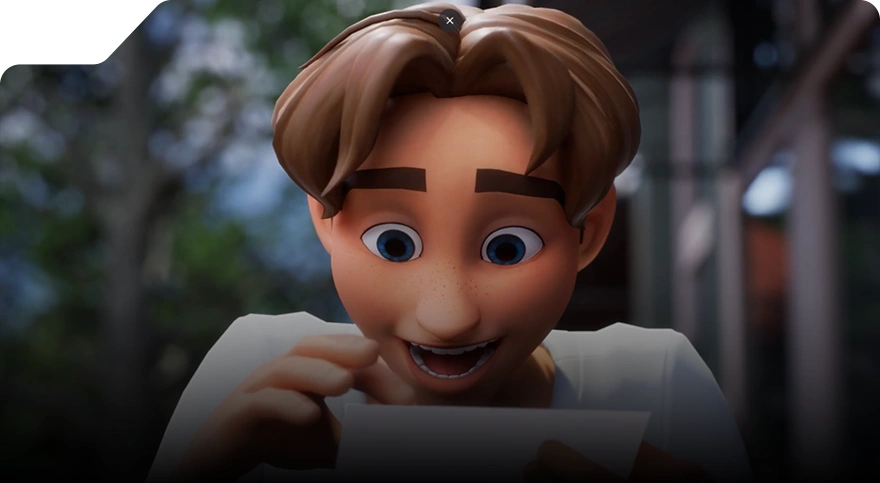
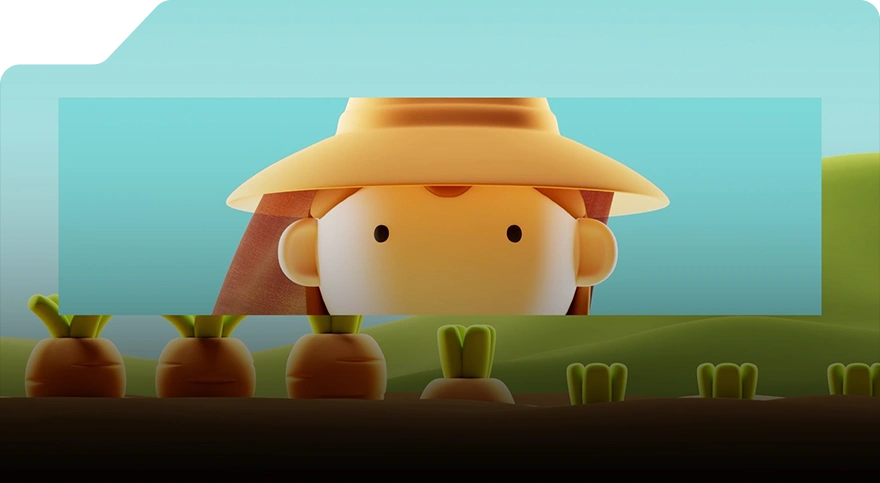
While CGI encompasses a broad spectrum of computer-generated visuals, 3D animation focuses specifically on bringing 3D models to life through motion. It’s the art and science of transforming static digital creations into dynamic, expressive, and lifelike visuals.
The execution of 3D animation is both a technical craft and a creative pursuit. It demands a balance between artistic conceptualization and an understanding of physics, timing, and character design to make movements feel natural and believable.
The 3D Animation Workflow
The enthralling visuals we see in animated films, games, and digital media are the result of a meticulous creative process. While it may seem complex, especially for beginners, mastering 3D animation can be an incredibly rewarding way to express your imagination through motion.
A typical 3D animation workflow involves the following stages:
- Modeling: Designing the shape and structure of 3D objects or characters using software such as Maya, Blender, or ZBrush.
- Texturing: Applying materials, colours, and surface details to make the model appear realistic and visually appealing.
- Rigging: Building a digital skeleton that defines how the model will move or bend during animation.
- Animation: Bringing the model to life by defining its movements, either through keyframing (manually setting poses) or motion capture (recording real-world movement).
- Lighting & Rendering: Simulating light, shadows, and reflections to create depth, and then converting the 3D scene into the final 2D output for viewing.
How 3D Animation Is Applied in Various Industries
As a 3D animator, your skills open up a wide range of exciting career paths across multiple industries. While 3D animation is widely used in the entertainment industry, it is also used in product development and marketing. Some of the most common and impactful ways 3D animation is used today include:
- Feature Films and Animated Shorts: Major studios like Pixar and DreamWorks use 3D animation to create visually stunning stories that have touched the hearts of many.
- Game Design and Interactive Environments: 3D animation drives character motion, environmental interaction, and in-game cinematics.
- Product Demonstrations & Marketing Videos: Businesses use 3D animation to showcase how products work in dynamic, engaging ways.
- Virtual Simulations and Training Experiences: From aviation simulators to medical training, 3D animation provides lifelike, interactive education tools.
Overview on the Difference Between CGI and 3D Animation
Aspect |
CGI (Computer-Generated Imagery) |
3D Animation |
Definition |
Any visual element created digitally |
The process of adding motion to 3D models |
Scope |
Encompasses both still and moving imagery |
Focused exclusively on movement and storytelling |
Output Type |
Static images or animated sequences |
Moving visuals or interactive scenes |
Technical Complexity |
Varies from simple renders to complex VFX |
Involves rigging, motion dynamics, and timing |
Featured Video: CGI 3D Animation DEMOREEL by Eric Tam
How CGI and 3D Animation Work Together
In many digital productions, CGI and 3D animation often work hand in hand to create visually stunning and immersive experiences. While CGI is the process of generating realistic digital imagery, such as environments, textures, lighting, and visual effects, 3D animation brings those elements to life through motion, emotion, and storytelling. Together, they create a seamless blend of fantasy and reality that captivates audiences across films, games, advertising, and more.
Typically, 3D animators begin by learning CGI as a foundation for creating the digital models and assets they will later animate. Understanding CGI not only allows animators to craft more complex and realistic scenes but also gives them the technical skills to integrate motion with visual effects seamlessly.
Attaining technical expertise in both CGI and 3D animation can significantly broaden your creative and professional opportunities. Whether you aim to work in feature films, video games, virtual reality, or advertising, having expertise in both disciplines equips you to contribute to every stage of digital storytelling.
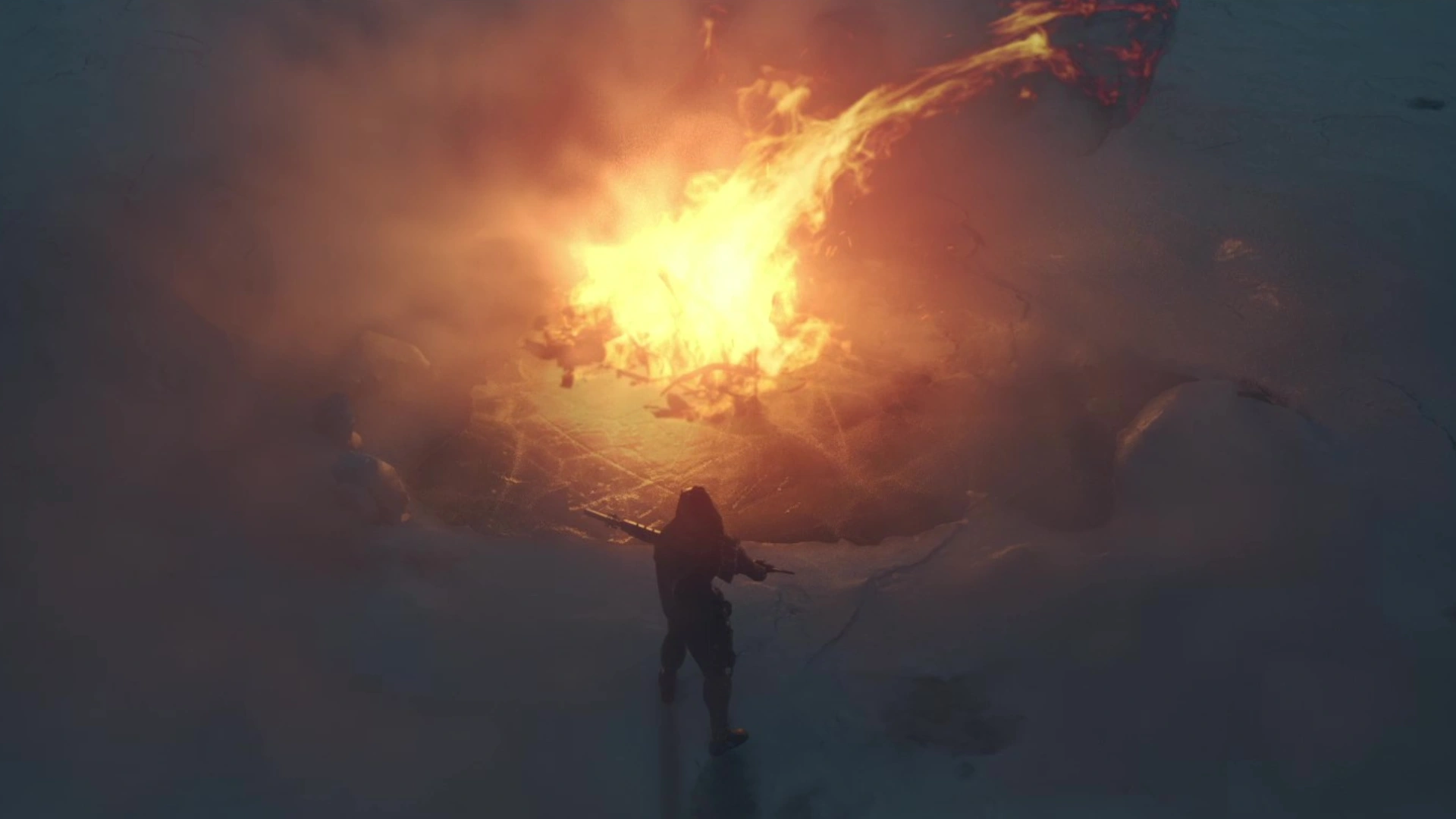
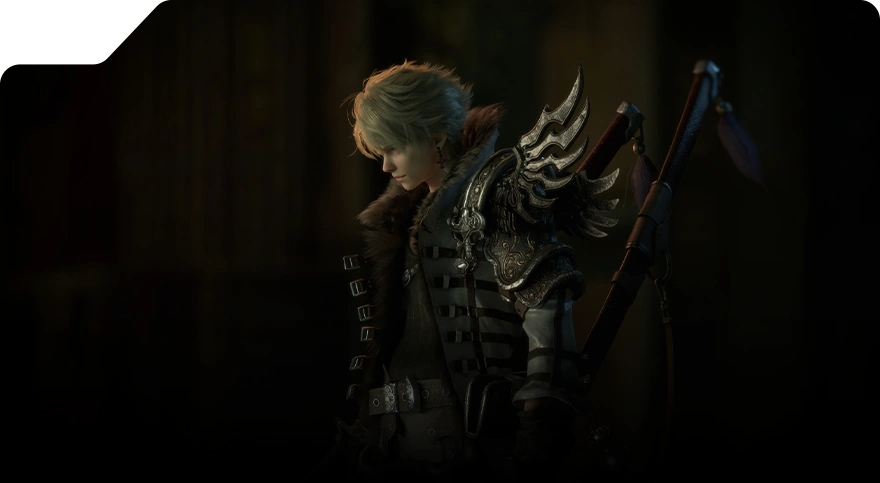
Featured Art: STAR WARS VISIONS VOL 2: EP7 – 2023 by Ishan Shukla
CGI vs 3D Animation? Learn Both Instead at 3dsense Media School
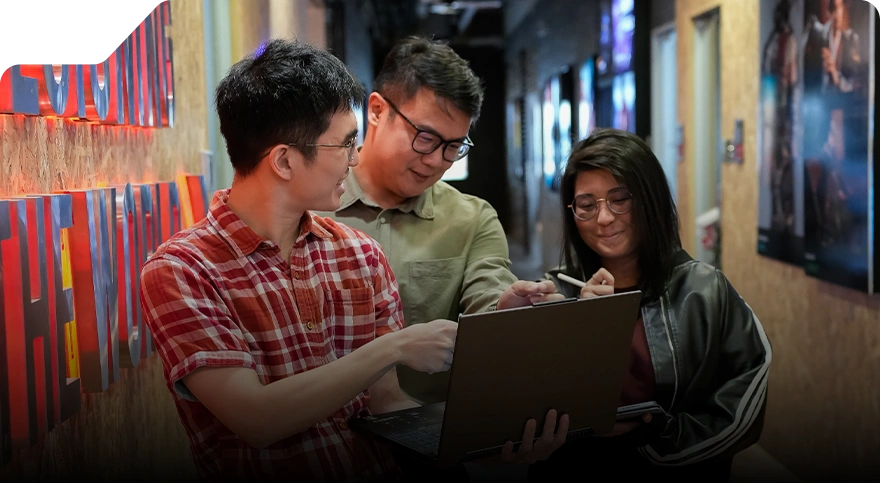
At 3dsense Media School, we understand that mastering CGI and 3D animation requires both creative passion and technical precision. As one of the world’s top digital art schools, we have built a strong reputation for nurturing industry-ready digital artists.
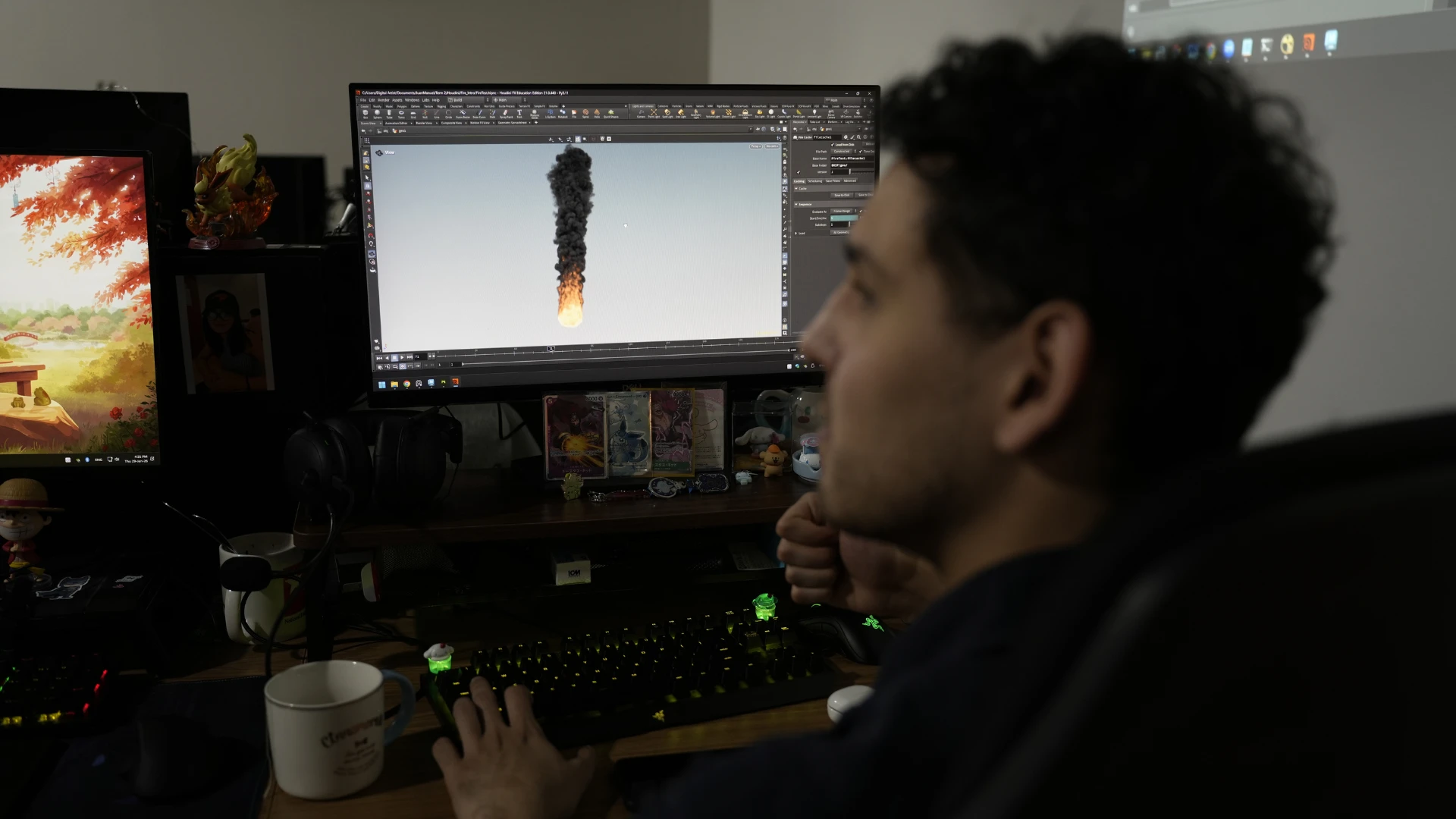
Our one-year intensive diploma programs in Visual Effects, Animation, and Digital Design offer a fast-track pathway to acquiring practical, production-level skills. Students learn to animate lifelike characters, craft visually striking environments, and create film-quality projects. Training is hands-on and aligned with industry standards, using tools such as Autodesk Maya, ZBrush, and Houdini, guided by mentors with real-world studio and production experience.
Each of our programs is portfolio-driven, ensuring that graduates leave with the skills and body of work needed to impress employers in global creative industries, from film to advertising. Whether you want to master CGI creation or dive into 3D animation classes after a motion graphics course, our design school in Singapore helps turn your creativity into a professional career.
Explore our 3D art school’s online and diploma programs today and take the first step toward becoming a world-class digital artist.
For more insights into digital art, check out our guide on VFX and its power to transform storytelling.



 Chat Now