
3D animation is the art of using computer software to engineer temporal transformations within a three-dimensional digital environment. This process converts static models into believable, lifelike characters and environments that move realistically within a virtual space.
To ensure professional-grade output, the animation process is divided into three critical phases: pre-production, production, and post-production.
Implementing a structured pipeline is essential for maintaining both efficiency and qualitative benchmarks. By establishing a clear workflow, studios ensure that technical precision and creative vision remain in perfect balance from the initial concept to the final frame.
Pre-Production: Planning the Vision
Before the initiation of digital construction, the foundation of the 3D animation process is laid during pre-production. This phase serves as the technical roadmap, ensuring every subsequent operation aligns with the overarching narrative and technical objectives.
1. Concept and Script Development
During concept development, artists brainstorm story ideas and define the core conflicts that drive the narrative. Once the "what" is established, the production process moves into scriptwriting. This formal phase translates abstract ideas into a literary blueprint, detailing character dialogue, environmental settings, and specific actions.
By finalizing the script during pre-production, creators establish a consistent tone and emotional arc. This way, the technical stages follow a clear, compelling story that resonates with the audience from the first animation frame.
2. Storyboarding and Animatics
In 3D animation, script visualization through storyboarding translates narrative data into visual sequences. This process involves creating 2D panels, much like a comic book, to map out camera staging and key character poses.
To refine the timing, these panels are sequenced into an animatic, which is a simplified video version of the storyboard. By adding temporary audio tracks, directors can preview the flow and pacing of the story.
Consequently, critical revisions can be made to the sequence timing before moving into the high-stakes production phase.
3. Visual Development
Visual development is where the aesthetic DNA of the animation production process is finalized. During this phase, artists create concept art and detailed model sheets that serve as creative blueprints for everything from character costumes to immersive environments.
This stage also ensures that the "look and feel" of the project, its colors, silhouettes, and textures, is fully realized. What’s more, these designs act as a vital reference for the 3D team, ensuring stylistic cohesion and visual fidelity across the entire production pipeline.
Production: Bringing the World to Life
Once the storyboard and animatics are approved, the animation production process moves into the digital studio. This is the intensive stage where static designs are transformed into three-dimensional assets:
4. Modeling
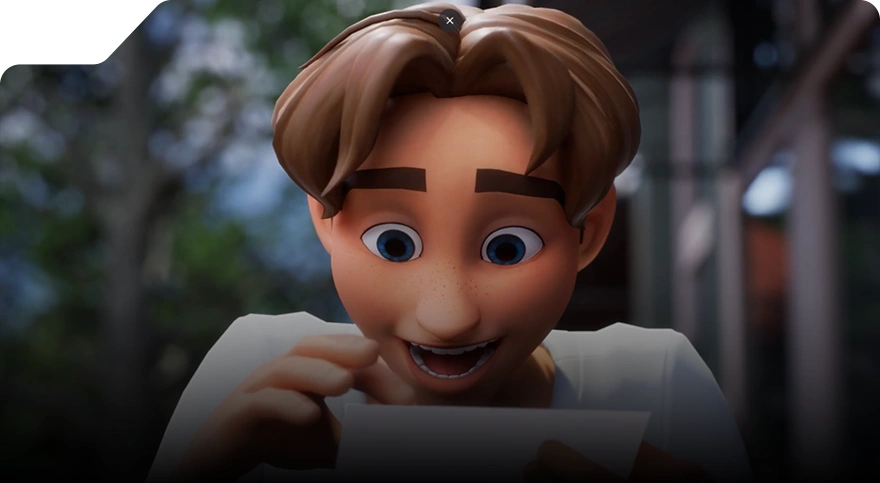
Featured Video: Modeling Showreel by Don Ho, 3dsense Media School Student
During the 3D modeling process, artists use specialized software to build the physical structure of characters and environments. By manipulating vertices and edges, they create complex geometric meshes that represent every object in the scene.
Precision is crucial at this animation stage, as the quality of these 3D models dictates their performance in subsequent phases. Modeling also transforms 2D concept art into a digital reality within a 3D virtual space.
5. Texturing
Once the models are built, they often appear as flat, grey shapes. Therefore, texturing is important to add color, materials, and intricate surface details to those meshes.
Whether the goal is hyper-realism or a unique, stylized look for the 3D animation production, artists apply digital shaders to simulate light-reactive properties such as shine, roughness, and transparency.
As a result, a simple sphere can be transformed into a rusted metallic bot or a glowing crystal, bringing much-needed visual depth to the world.
6. Rigging
For a character to move, it requires an internal structure. Rigging is the technical process in 3D animation that involves building a digital skeleton, complete with joints and bones, inside the model.
Expert riggers also develop a set of control handles that animators use to manipulate the character's limbs and facial expressions. Moreover, they ensure complex, natural movements without the mesh collapsing or deforming unnaturally during the performance.
7. Animation
This is the stage of the 3D animation process where the magic truly happens. Animators take the rigged models and define their motion using keyframes, carefully plotting out every movement, gesture, and expression.
However, this phase is often the most time-consuming, as it requires a deep understanding of weight, timing, and physics.
By breathing life into the static models, artists tell a story through movement, ensuring every action feels purposeful and emotionally resonant within the scene.
8. Lighting
Just as a cinematographer works on a physical film set, digital artists use 3D lighting to establish the mood and atmosphere of a sequence. By placing virtual lights and calculating shadows, they create a sense of depth and focus.
This stage is crucial for guiding the viewer's eye and reinforcing the narrative tone established in the pre-production process. Effective lighting can turn a simple room into a mysterious, shadow-filled lair or a bright, welcoming home.
9. Rendering
Rendering is the final, resource-intensive step of the production process, where the 3D scene is converted into 2D images. Every detail, from textures to lighting, is calculated to produce high-resolution frames.
Because modern animation productions are complex, scenes are often rendered in multiple layers, such as shadows, highlights, and backgrounds.
This meticulous output ensures the post-production team has full control when assembling the final movie for the audience.
Post-Production: Perfecting the Final Product
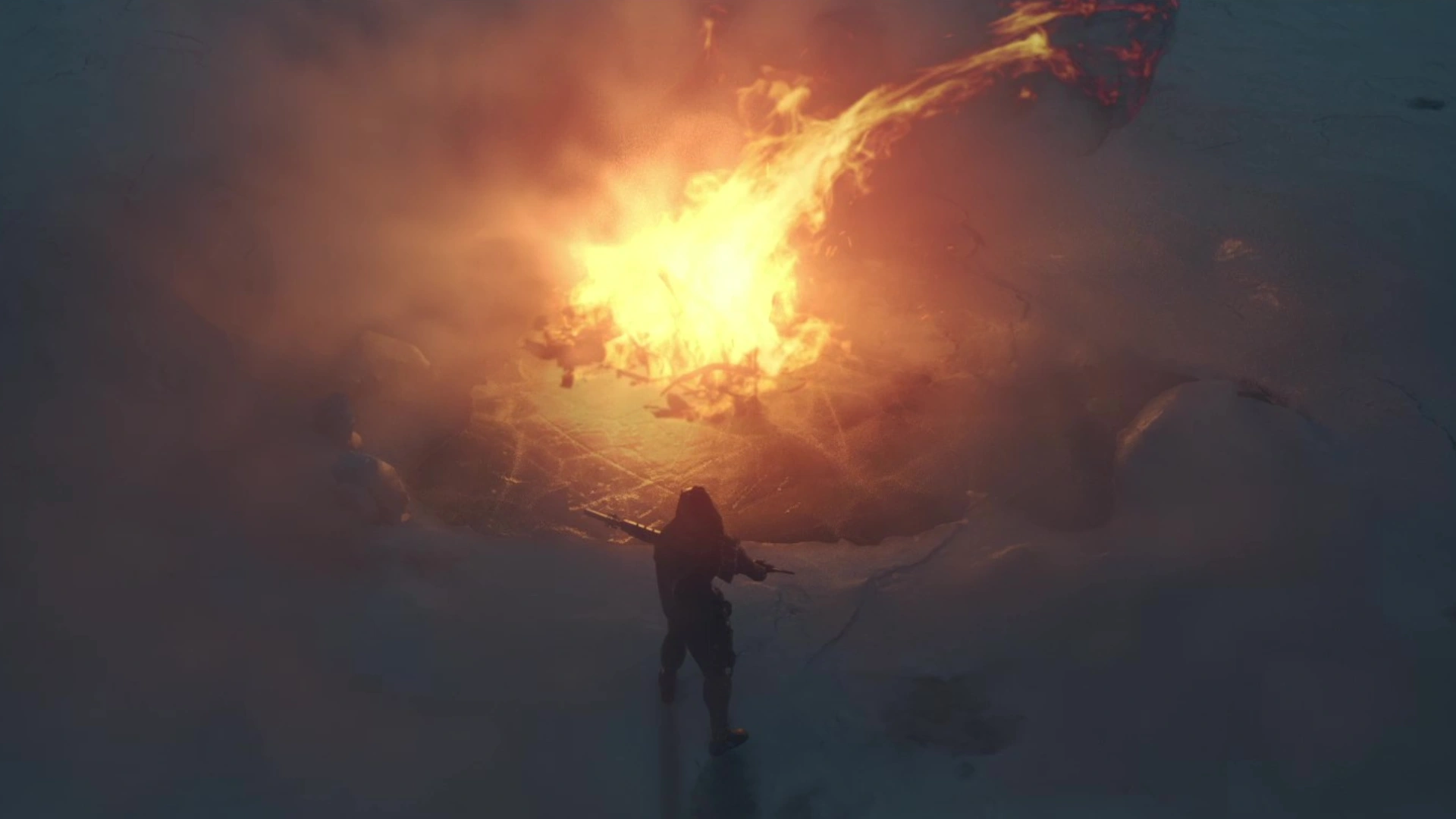
Featured Video: Backfire, Animated Short Film by 3dsense Media School Students
After rendering, the 3D animation process enters post-production for final refinement. This concluding stage is where individual elements are polished and unified into a seamless cinematic experience.
10. Compositing and Visual Effects
In this 3D animation process, artists combine the rendered layers into a single, cohesive image. Compositing allows for the seamless integration of backgrounds, characters, and lighting effects.
Additionally, this is where visual effects such as explosions, rain, or magical sparks are added to enhance the spectacle. Through careful color correction, artists ensure the visual tone remains consistent, creating a believable world where computer-generated elements and digital environments coexist seamlessly.
11. Sound Design
With the 3D visuals now complete, sound design is essential to provide emotional depth and realism to the animation. Part of the production team are music composers who create original scores that set the mood, and foley artists who record custom sound effects to ground the action in reality.
Furthermore, the integration of dialog and ambient noise ensures that every movement has a corresponding auditory cue. These layers of sound work together to immerse the audience, enhancing the storytelling impact through a rich, dynamic audio track.
12. Editing and Final Assembly
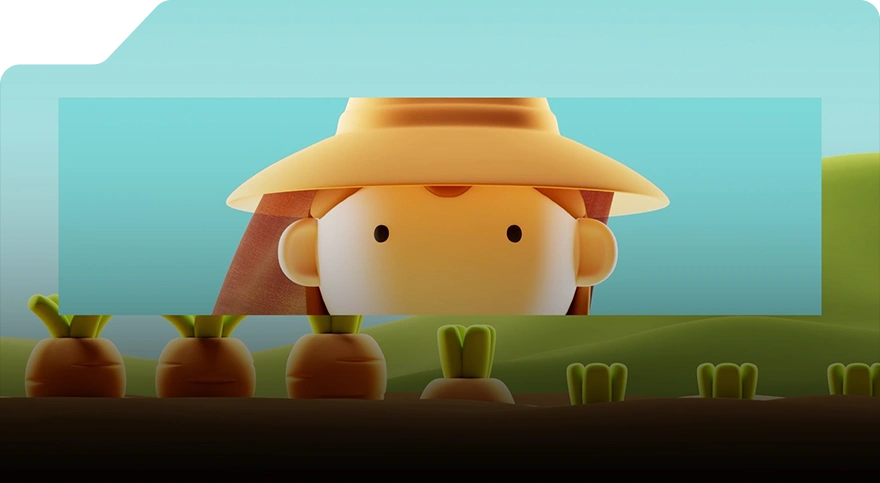
Featured Video: DAYBREAK, Animated Short Film by 3dsense Media School Students
The final step of the animation production process involves cutting and arranging all scenes to ensure the narrative flows logically. Editors synchronize the composited visuals with the sound design, adjusting the pacing to maintain audience engagement.
Once the timing is perfected, titles and credits are added to acknowledge the creative team. After that, the project is exported into a high-quality format suitable for release.
This final assembly transforms a collection of digital files into a polished masterpiece, ready for global broadcast and digital platforms.
Why the 3D Animation Pipeline Matters
By following a standardized sequence in the animation production process, creators can manage the immense technical complexity of a project while maintaining artistic integrity. The pipeline is essential for the following reasons:
- Streamlines Teamwork and Workflow: It provides a clear roadmap that allows different departments to collaborate without confusion. Because everyone knows their specific role in the 3D animation process, tasks can be handed off seamlessly from one artist to the next.
- Ensures Consistency and Quality: By establishing rigorous checks at each phase, the pipeline prevents technical errors from snowballing. As a result, the visual style and technical standards remain uniform across hundreds of individual shots.
- Allows Creative Refinement: A modular workflow enables teams to revisit and refine specific elements without restarting the entire project.
Apply and Practice the 3D Animation Pipeline at 3dsense Media School
The transition from conceptual script to high-definition output requires a fusion of artistic vision and technical mastery.
If you’re an aspiring creator and you want to learn how 3D animation works in a professional studio, consider enrolling in a media design school. At 3dsense Media School, we help hobbyists become professionals through an intensive 3D animation program that mirrors real-world studio environments.
Our intensive 1-year program is structured to help you grow rapidly:
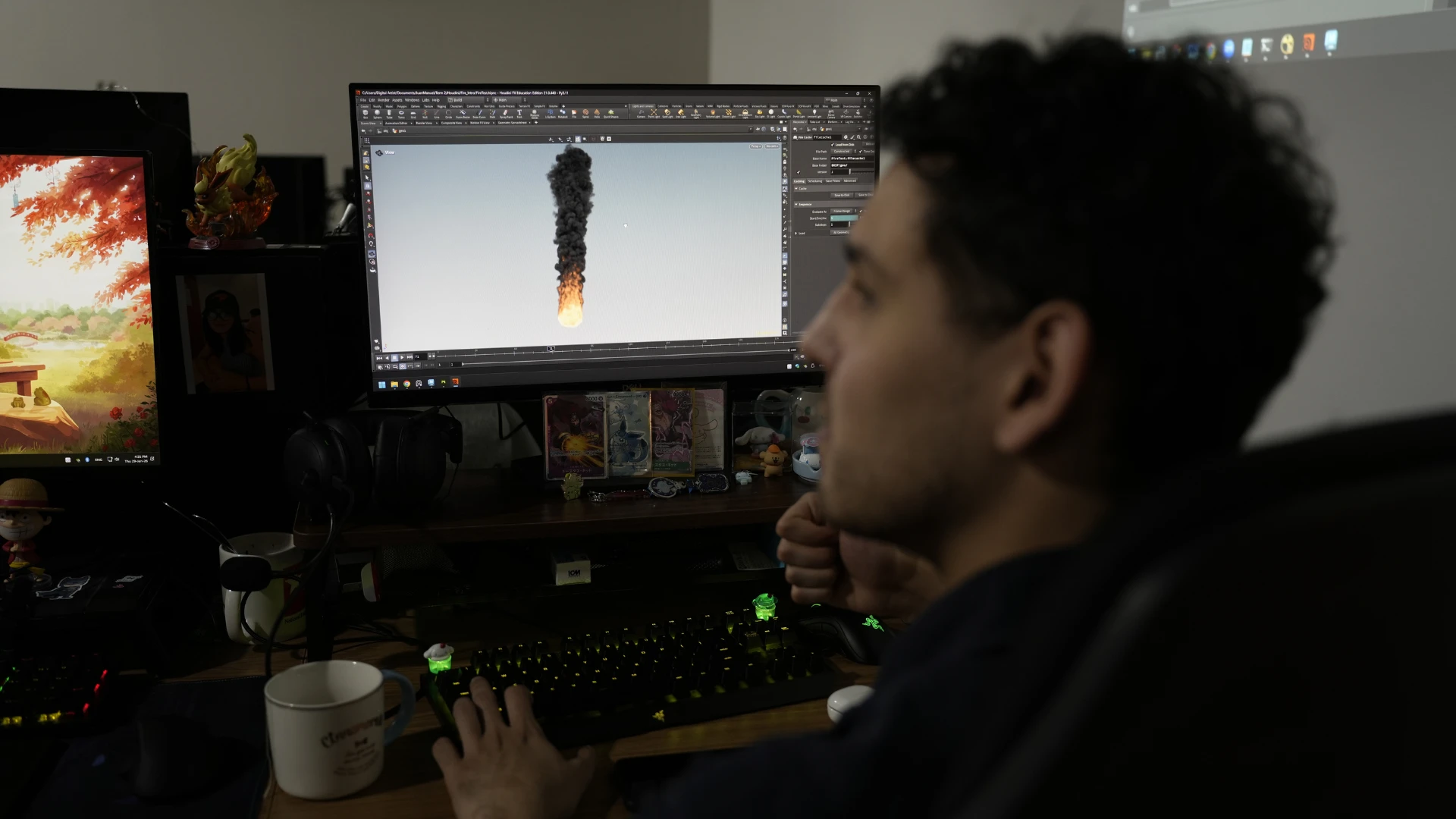
- Learn industry-standard tools, including Autodesk Maya, ZBrush, and Houdini, to create feature-film-quality projects.
- Receive hands-on mentorship from industry practitioners with real production experience in top global studios.
- Build a professional-quality portfolio through project-based learning that showcases your ability to tackle "A" class animation and VFX tasks.
- Master both technical and artistic skills, including digital sculpting, rigging, dynamic effects, and lighting.
- Gain a clear career path toward becoming a VFX artist, 3D animator, or technical director in the global creative industry.
By learning from industry veterans, you will build a world-class portfolio and join a global community of elite digital artists.
To get more related insights, check out our guide on the difference between CGI and animation.





 Chat Now