
The game design pipeline is the structured sequence of stages that transforms a game concept into a finished, playable product. This is essentially how video games are made: through a structured process across an entire development team, from initial concept sketches to asset creation, coding, testing, and release. Every stage feeds into the next, and the quality of what gets built depends heavily on the decisions made in the stages before it.
Understanding how video games are made also means understanding why structure matters. Without a clear pipeline, teams work in silos, rework finished assets, and miss dependencies between departments. The pipeline exists to prevent that.
Key Stages of the Game Development Pipeline
The game development workflow is typically divided into four broad phases. Each one builds directly on the last.
1. Pre-Production (Planning and Conception)

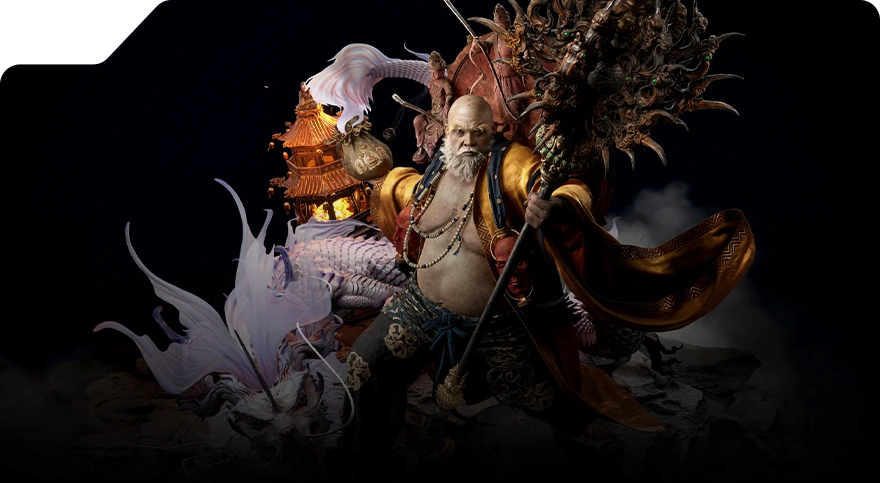
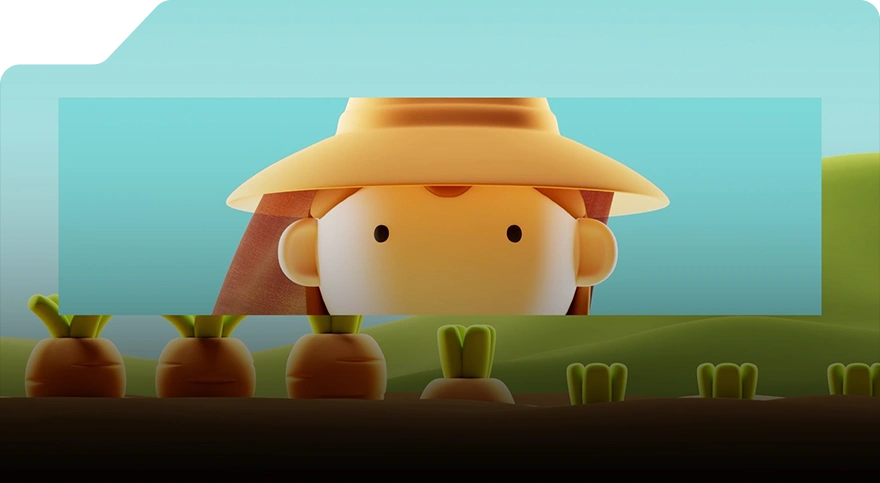
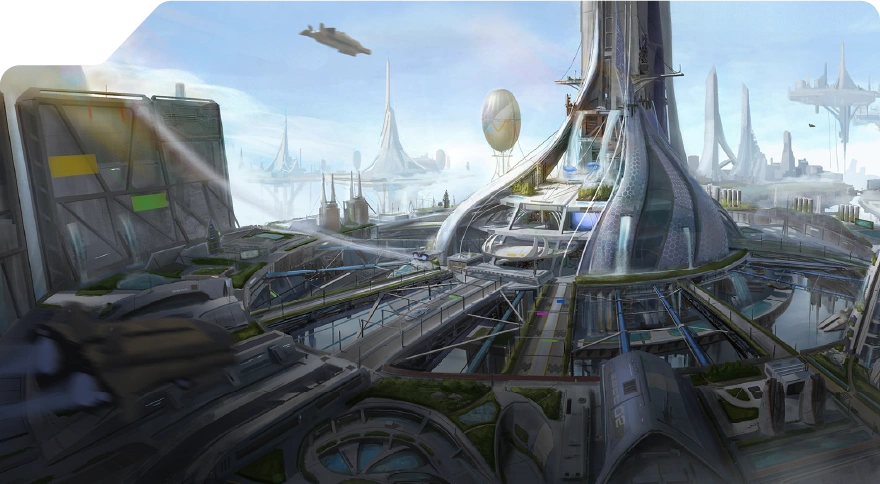
Featured Art: Game Character Model by Audrey
Pre-production is where the game is defined on paper before a single asset is built. Teams establish the core concept: genre, target platform, concept art, and the central gameplay loop. From there, a Game Design Document (GDD) is created, covering everything from mechanics and narrative to level structure and art direction. It's the team's central reference point throughout production.
Prototyping runs alongside this documentation phase. A rough, playable build of the core mechanic tells the team quickly whether the idea is actually fun. Many concepts that sound compelling on paper don't survive prototyping intact, and that's the point. Catching fundamental problems here costs days, not months.
2. Production (Development)
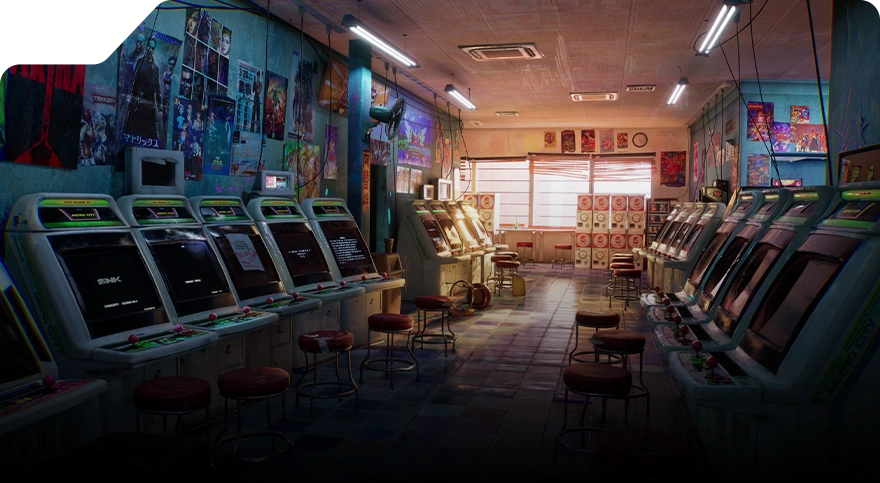
Featured Video: Game animation demoreel by Tan Chuan Jee
Production is the longest phase of any game dev pipeline, and where most of the actual building happens. Developing 3D animation is a process in and of itself; programmers develop gameplay systems, and level designers assemble playable spaces using engines such as Unreal Engine or Unity.
A structured handoff system keeps work moving. Environment artists begin with simple geometry blockouts to establish scale and layout before detailed assets are created. Character models move through concept, sculpt, retopology, and texturing before they reach the animator. Each step feeds the next.
Teams track progress through formal milestones. First Playable confirms the core loop works in the engine. Alpha indicates a feature-complete build. Beta marks a point where the game is stable enough for broader testing.
3. Quality Assurance (Testing) and Polish
QA runs throughout production, but this phase treats it as the primary focus. QA teams systematically play through every environment, mechanic, and edge case, logging bugs by severity. Game-breaking issues, soft locks, and crashes take priority. Balancing, pacing, and difficulty tuning follow.
There's a well-known pattern in this phase: the final 20% of a game's development consumes roughly 80% of the total time. Polish is relentless. Frame rate optimization, visual refinements, audio mixing, and UI adjustments add up quickly, and each one matters to how the finished game feels.
4. Launch and Post-Production
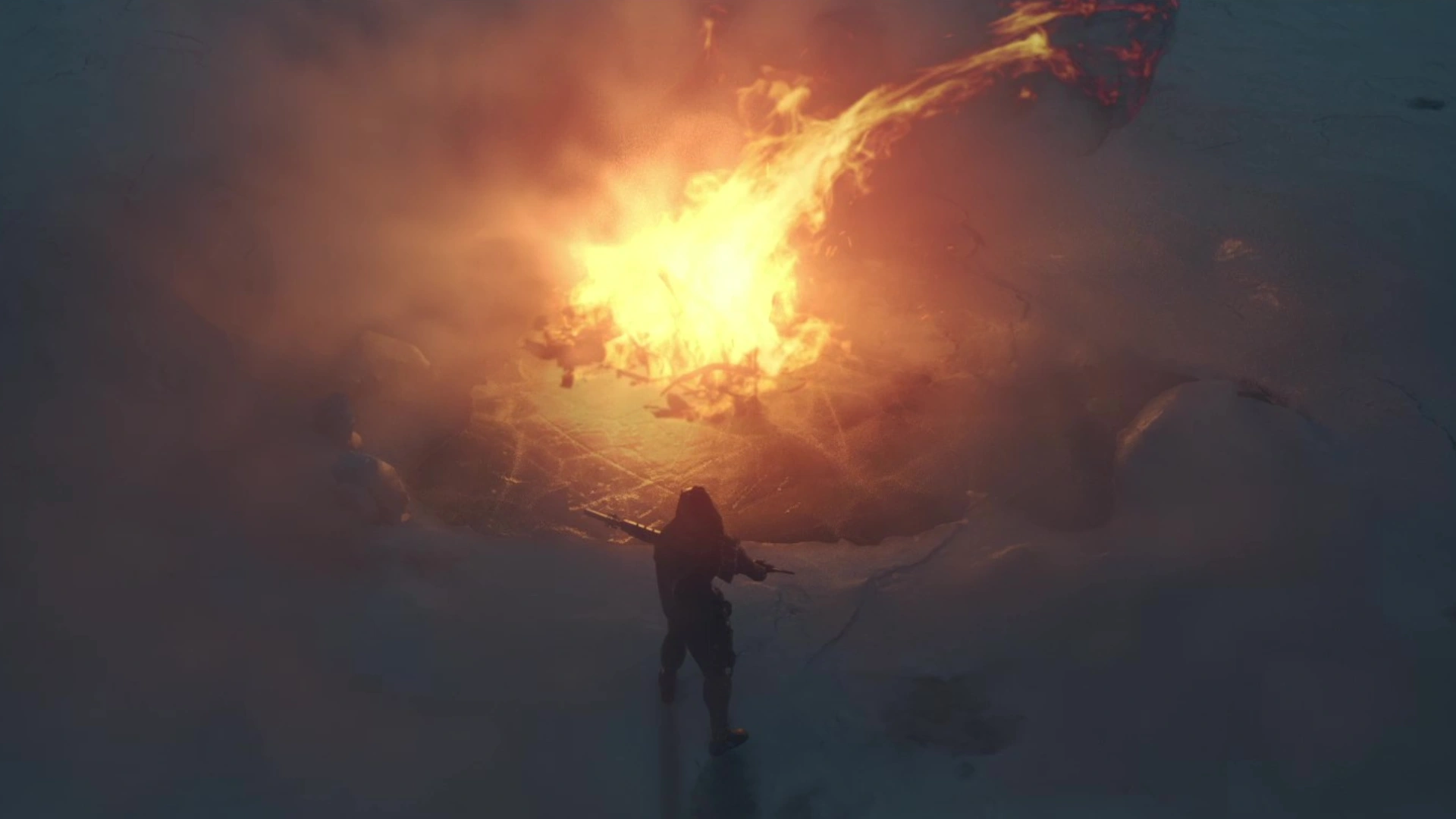
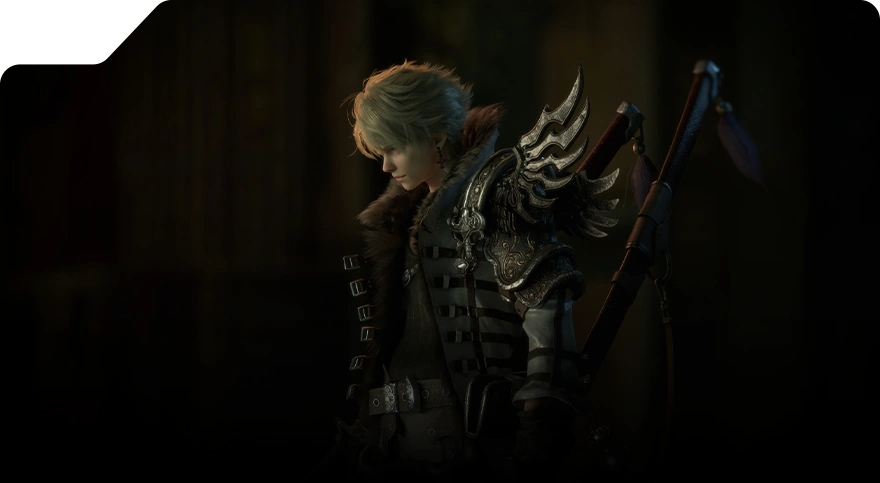
Featured Video: Game cinematic recreation for the DVE62 VFX Group Project: Destiny 2: Beyond Light
Launch means the game ships. In practice, that's rarely the end of active development. Day-one patches are standard in the modern industry, addressing issues identified late in QA or during certification. Post-launch, teams monitor player feedback, fix recurring problems, and release additional content.
Live service titles extend this phase indefinitely. Even single-player games typically receive at least one update cycle in the months after release.
Key Components in the Pipeline
The four phases describe when work happens. These components describe what gets built and who builds it.
Game Art Pipeline
Featured Video: Game Modeling Reel by Vanessa Ang
Within the production phase, game art follows its own internal workflow. A single environment asset moves through concept art, blockout, high-poly modeling, low-poly modeling, UV unwrapping, baking, texturing, and finally engine integration. That sequence isn't arbitrary. Each stage prepares the asset for the next, and skipping steps creates problems downstream.
High-poly models capture fine surface detail. Low-poly versions are optimised for real-time performance. Baking transfers the visual information from one to the other. The result is an asset that looks detailed without taxing the engine. This is core game art craft, and it's what separates game-ready assets from general 3D work.
Game Mechanics
Mechanics are the rules that define how a player interacts with the world. Movement, combat, interaction, inventory, and AI behavior are all designed by systems designers and implemented by programmers.
A visually polished game with poorly tuned mechanics fails. Prototyping in pre-production tests these systems early. Iteration during production refines them. The clearest signal that mechanics work is that testers keep playing past the point they're required to.
Project Management
On any multi-person project, a producer coordinates timelines, manages interdepartmental dependencies, and tracks progress toward milestones. In smaller teams, this role is often shared. In studio productions, it's a full-time position.
The game development workflow breaks down without this layer. Art can't finish assets that haven't been designed. Programmers can't integrate assets that haven't been built. Project management maps these dependencies and maintains the sequence.
Learn the Game Design Pipeline at 3dsense Media School

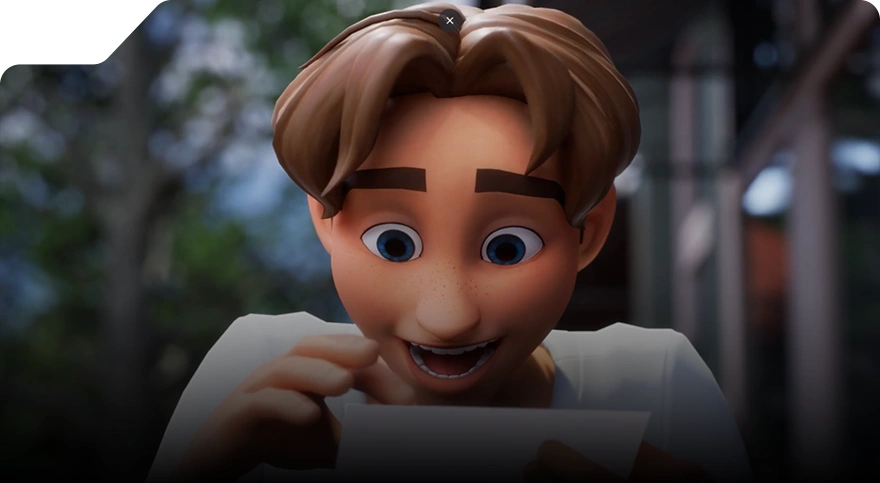
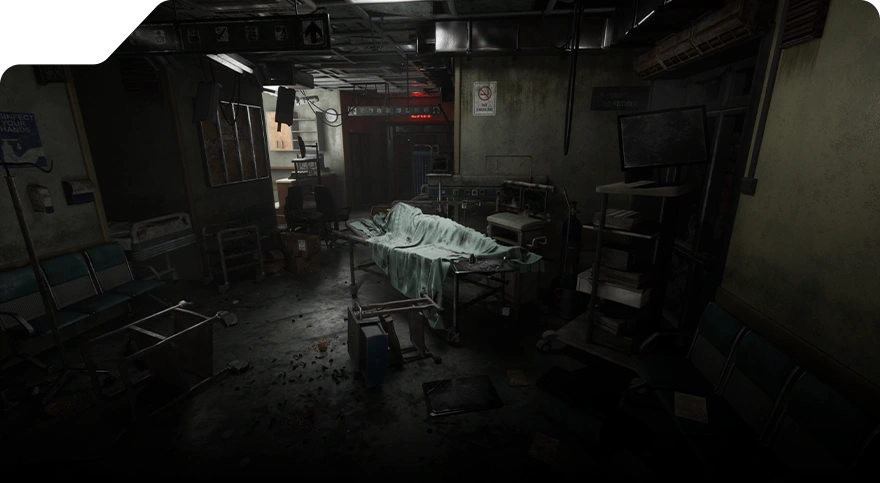
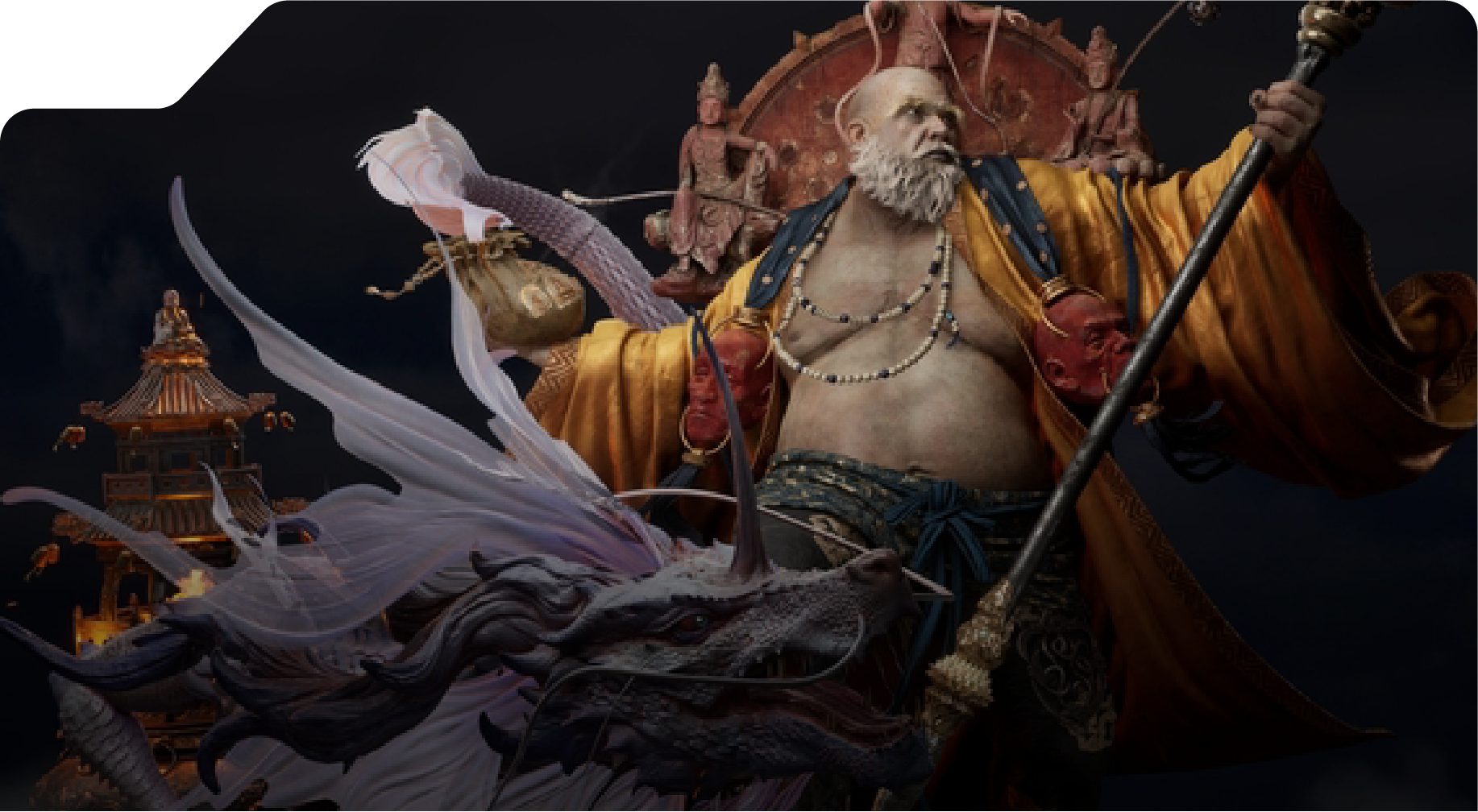
Featured Art: Still Frame by Cleo Jocson
Each stage of the game design pipeline calls for a different set of skills, and 3dsense Media School's diploma programmes are built around those stages.
Our game art course addresses the production pipeline directly, from geometry blockouts and high-poly sculpting through UV unwrapping, baking, texturing, and asset deployment in Unreal Engine. The Diploma in Illustration & Concept Art covers the visual development work that drives pre-production: character design, environment ideation, and foundational illustration skills that inform a game's art direction. For the animation and VFX side of the pipeline, the Diploma in 3D Animation, VFX & 3D Modeling covers modeling, rigging, character animation, dynamic effects, and compositing.
Students at our design school in Singapore learn skills that launch them into their chosen game careers, wherever they fit in the production pipeline.






 Chat Now