
Before the 3D or 2D video game visuals are created or animated, concept art is created to establish their overall look, feel, and emotional tone. It serves as the creative blueprint that guides every visual decision, including the characters, scenes, props, and user interfaces.
For aspiring game artists and designers, mastering the ability to produce strong, purposeful concept art is crucial because it helps drive the entire production pipeline. The concept art influences the final product, identifies creative and technical challenges early in the process, and ensures consistency throughout development.
Down to the Basics: What is a Game Concept Art?
Featured Video: Concept Art & Illustration Demoreel by Rohan Sharma
While video game concept art may appear simple, creating these early drawings is a complex creative process. This is because every sketch must capture the tone, style, and direction the game intends to convey to its audience.
Because these sketches are the game artist's bible for animating or modelling visuals, they often undergo multiple iterations to explore visual possibilities and refine ideas, ensuring they align with the game’s narrative and worldbuilding.
The Different Elements Explored in Concept Art
Concept artists create a variety of elements that form the game’s visual world, and they often include:
1. Character Concept Art

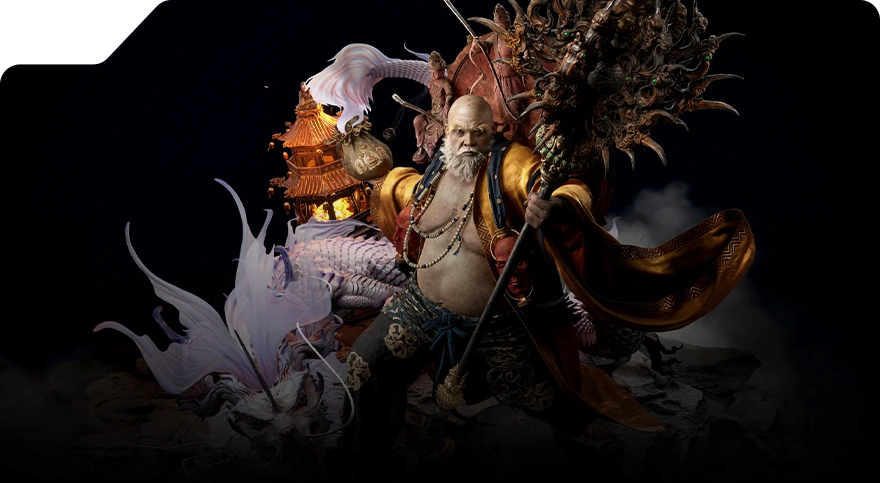
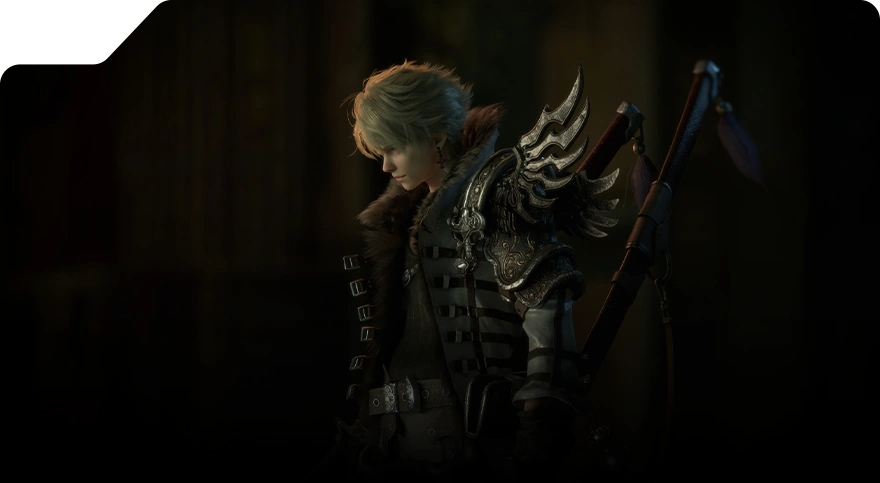
Featured Concept Art: Character Illustration by Jason Khaw
This defines a character’s appearance, personality, and overall visual identity, which game designers or animators will use as a basis when bringing them to life. It explores the character's physical traits, silhouettes, clothing, accessories, and signature visual cues that make the character instantly recognisable.
Aside from a character's appearance, character concept artists also develop expression sheets, pose studies, and alternate outfits to ensure consistency across different scenes and gameplay scenarios.
2. Environment Concept Art

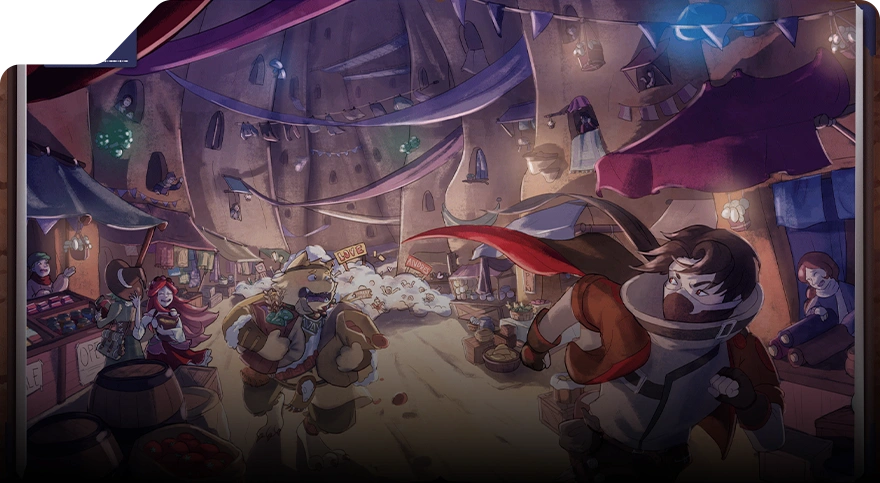
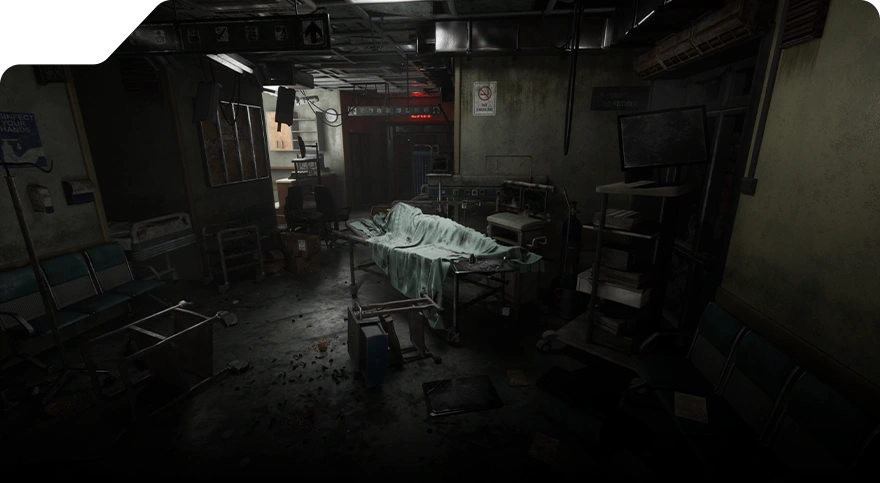
Featured Concept Art: Environment Concept Art by Choomcherd Virapat
Environment concept art shapes the world players will explore. These visuals set the tone for settings, whether it’s a futuristic city, an ancient ruin, or a mystical forest.
When illustrating the overall environment of the game, concept artists will typically consider the architecture, terrain, lighting direction, colour palette, atmosphere, and mood to convey the environment’s story and emotional impact. This, in turn, helps video game designers create immersive, believable spaces that support gameplay and narrative progression.
3. Prop Concept Art

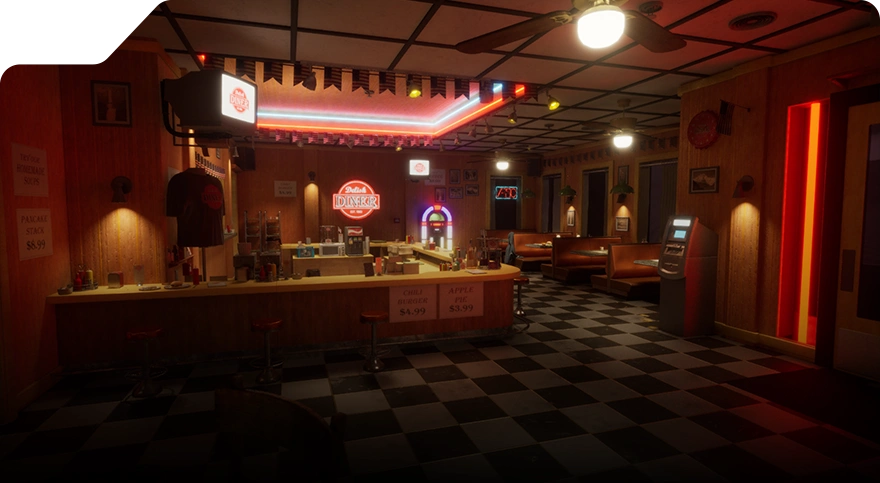
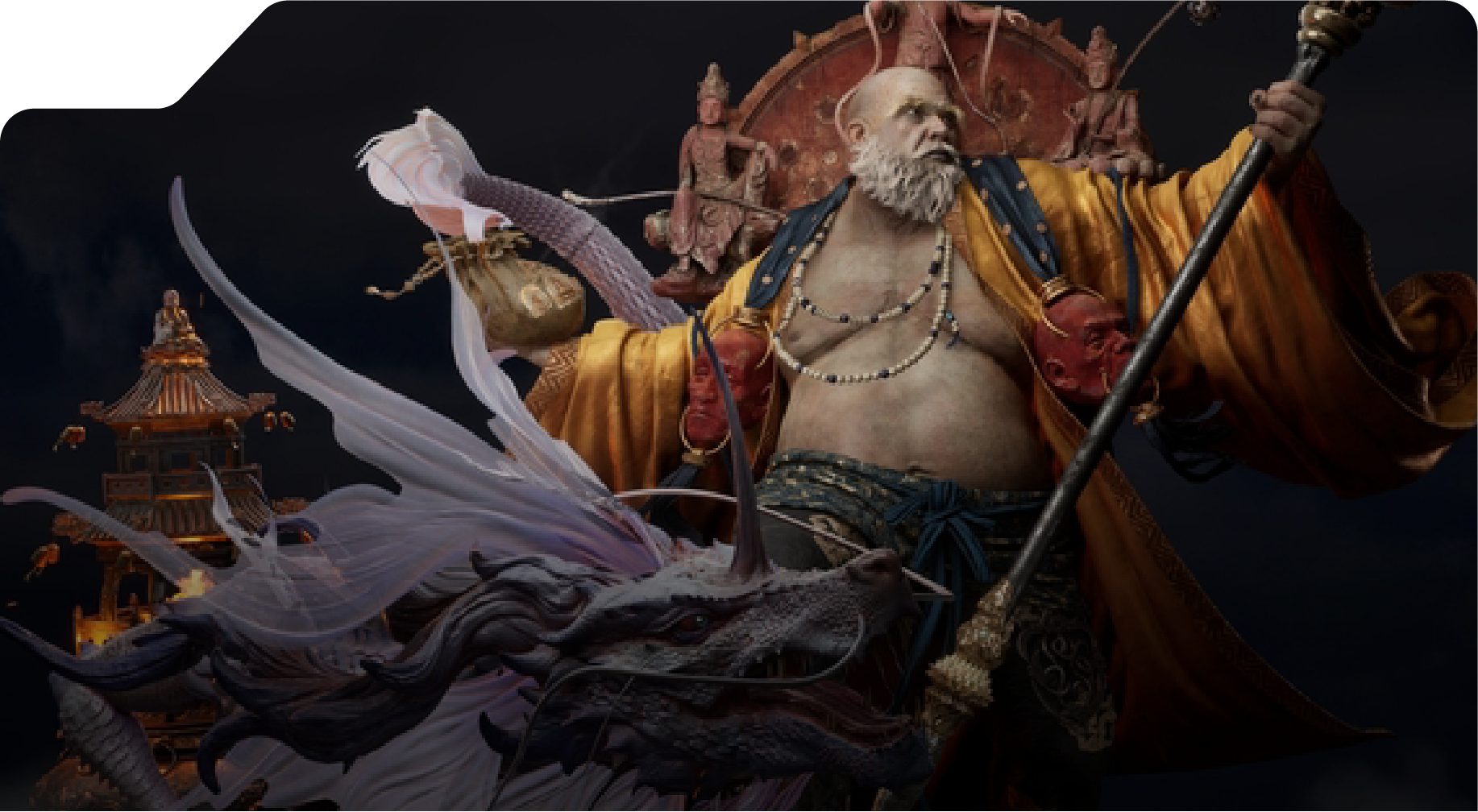
Featured Concept Art: Props Design Art by Choomcherd Bond
Props include the objects that populate a game world. This may include weapons, tools, gadgets, furniture, consumables, and interactive elements.
In creating props for a video game, concept artists typically focus on functionality, readability, and style coherence. Every item must feel believable within the game’s world, support gameplay mechanics, and help reinforce the story or setting.
4. Vehicle Concept Art

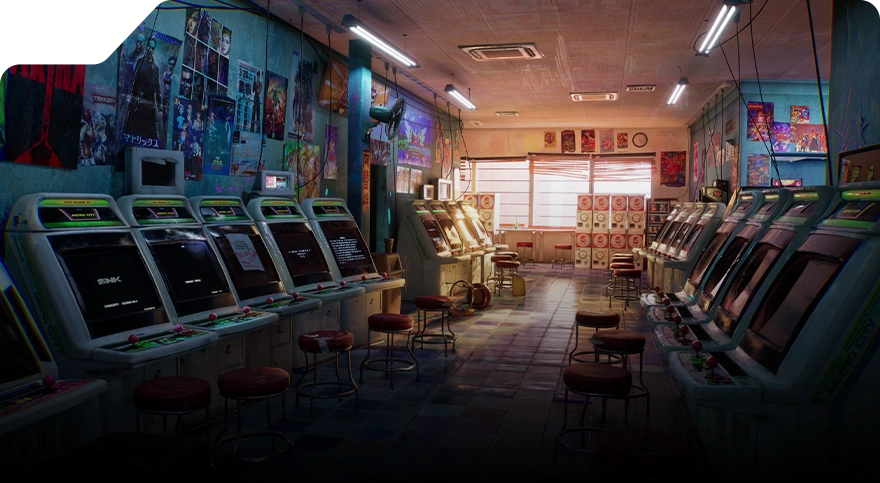
Featured Concept Art: Airship Illustration by Choomcherd Bond
Vehicle concept art, while not always mandatory, demands a combination of creativity, technical knowledge, and storytelling. Depending on the game’s genre, artists may design futuristic spacecraft, steampunk airships, modern military vehicles, or mythical mounts.
The process involves visualising structure, scale, materials, and how the vehicle operates within the game world. These designs must align with gameplay needs. For example, it should illustrate how a vehicle moves, transforms, or interacts with player actions.
5. UI Concept Art

Featured Concept Art: UI Concept Art by Destiny Finister
UI (User Interface) concept art is the visual guide on how players should interact with the game. This encompasses elements such as inventory screens, HUD overlays, skill icons, and menu layouts.
The aim of creating UI concept art is to provide game designers with a guide to making the final product's interface more intuitive, accessible, and visually appealing. A well-thought-out UI concept art enhances gameplay flow while maintaining immersion, ensuring that every icon, panel, and interactive element aligns with the game’s overall art direction.
The Different Styles Used in Concept Art
Concept art comes in various forms depending on a game’s setting, tone, and artistic direction. Some of the common styles used include:
1. Realistic Concept Art
Realistic concept art is a style that aims to replicate elements in the real world as closely as possible. This style is often used in AAA games, historical settings, and military simulations. When incorporating this style into video game concept art, the artist typically focuses on lighting, materials, anatomy, and physics to create believable characters, props, and environments.
2. Stylized Concept Art
In contrast to the realistic style of concept art, stylized concept art takes on more exaggerated forms, bold colors, and imaginative designs. Unlike realism, this style intentionally distorts proportions and textures to create a unique visual identity. It is also an approach to concept art that allows artists to create memorable, visually striking worlds.
3. Abstract Concept Art
Abstract concept art focuses on unconventional shapes, compositions, and visuals to evoke emotion rather than replicate reality. This style is often seen in experimental or indie games that prioritize artistic expression over literal representation. Through the use of color, texture, and minimal detail, abstract art immerses players and encourages interpretation.
Role of Concept Art in the Development Process
Serving as the visual foundation for every stage of production, concept art helps teams work efficiently while maintaining a cohesive artistic style.
Pre-Production Phase
Concept art is primarily created during the pre-production phase, often before any 3D models or animations exist. At this early stage, artists explore visual ideas, define the game’s style, and solve potential design challenges. By investing in thorough concept art at the start, developers save time and resources, ensuring the project has a strong visual identity from day one.
Creating concept art during pre-production allows the development team to:
- Establish the game’s aesthetic direction.
- Visualize characters, environments, props, and interfaces before costly production begins.
- Identify potential gameplay or technical issues early on.
Guiding Other Artists
Once concept art is created, it becomes a critical blueprint for other artists in the pipeline. 3D modelers, animators, texture artists, and UI designers all rely on concept visuals to inform their work.
Concept art helps teams understand:
- The proportions and scale of characters and environments.
- The color schemes, lighting, and textures that are appropriate for the game world.
- The intended mood and tone of different scenes.
Providing a Strong Foundation
Keeping a concept art library establishes the standard and visual guidelines for creating the game design. It reduces inconsistencies and prevents unnecessary revisions by establishing clear visual rules for characters, environments, props, and UI elements.
With clear concept guidance:
- Artists avoid misinterpretation of design intent.
- Production teams can work efficiently without repeatedly seeking approvals.
- The final product maintains visual cohesion, enhancing player immersion.
Informing 3D and Level Design
Concept art also directly informs 3D and level design. One common technique is the use of “greyboxes,” which are simplified 3D representations of levels and environments. Artists then paint over these greyboxes, applying colors, textures, and lighting to create the final look.
This process allows teams to:
- Translate 2D concept visuals into interactive 3D spaces.
- Test level layouts, scale, and gameplay flow before committing to high-detail assets.
- Provide world art teams with a visual roadmap to follow, ensuring that the final environments match the game’s intended style and mood.
Gain More Insight Into Concept Art and Game Design at 3dsense Media School
If you want to become a concept artist for games, you must develop a strong foundation in visual storytelling, design principles, and technical skills. Enrolling in a concept art course can help you build these skills while providing hands-on experience in creating professional-quality work.
At 3dsense Media School, our Concept Art course provides insight into designing and illustrating unique characters, immersive environments, and detailed props for video games and other media. You’ll also learn how to develop a cohesive portfolio that showcases your abilities, helping you stand out in the competitive game design and animation industry.
For those looking to expand their expertise further, 3dsense Media School offers a Game Artist Course and a 3D Animation Diploma Course. These programs provide advanced training in 3D modelling, animation, and real-world production workflows, preparing you for a career in game design.
With 3dsense Media School, you can expect a structured, project-based learning experience that combines technical instruction with creative exploration, giving you the skills and confidence to succeed in the gaming industry.
For more game design insights, check out our guide on the game design principles and the roles and responsibilities of a game artist.





 Chat Now