
Shape language in character design is the visual grammar by which artists communicate personality through geometry. Circles, squares, and triangles each carry built-in associations that the audience reads instantly, often within a single frame.
By choosing which shapes to lean on, which to soften, and which to combine, designers establish a character's role, temperament, and emotional weight before any other storytelling layer arrives. The geometry sets the expectation. The drawing fulfills it. Understanding the meaning of shape language at this level is the first step in designing characters that read clearly to the audience.
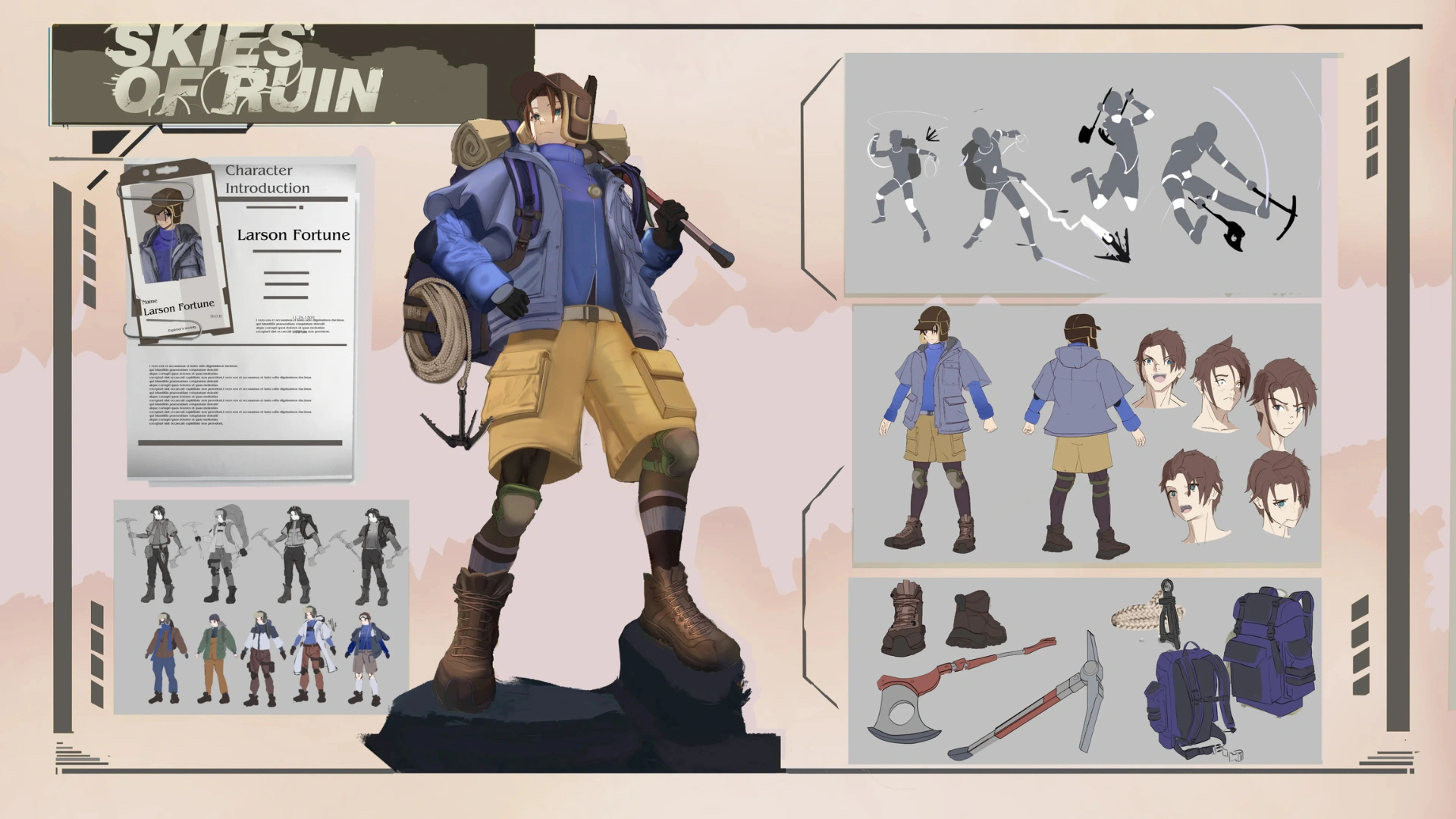
Featured Art: Character Concept Art by Alexander Niles
Key Shape Language Principles
The vocabulary is small. Three primitive shapes do most of the work, and the meaning of a finished character usually comes down to how those three are weighted, combined, and softened against one another.
1. Circles and Curves
Circles' shape language reads as softness, innocence, and approachability. Rounded forms have no hard edges, no points of visual aggression, and the eye registers them as safe before the brain catches up. Designers reach for circles when building cute or harmless characters, supporting roles, child figures, and companions. Pixar's tendency to lean on circle-shaped characters for protagonists is not accidental. A round head, a round body, and round eyes signal warmth and trust before a single line of dialogue plays.
2. Squares and Rectangles
Squares and rectangles communicate stability, dependability, and physical strength. Square forms in language suggest weight, grounded presence, and structural integrity, which is why heroes built on square torsos read as reliable and why authority figures often carry rectangular silhouettes. Straight edges signal solidity. The character feels planted in the world rather than reactive to it. Construction workers, soldiers, fathers, and steadfast allies are routinely built on a square shape.
3. Triangles and Angles
Meanwhile, triangles in shape language create visual tension. Sharp angles signal danger, energy, speed, intelligence, or unpredictability, which is why villains and antagonists are so often constructed around triangular silhouettes. The eye reads pointed shapes as alert, kinetic, and potentially threatening. Tricksters, assassins, predators, and high-speed characters draw on the triangle for the same reason warning signs do.
4. Combination of Shapes
Realistic and complex characters rarely sit on a single shape. A square-shouldered hero with circular, friendly facial features reads as both dependable and warm. A villain with a triangular silhouette but rounded eyes can feel dangerous and tragic at the same time. Mixing shapes prevents a character from collapsing into a single note, and the most memorable designs tend to carry an internal tension between two of the three primitives. The dominant shape sets the read. The secondary shape adds depth.
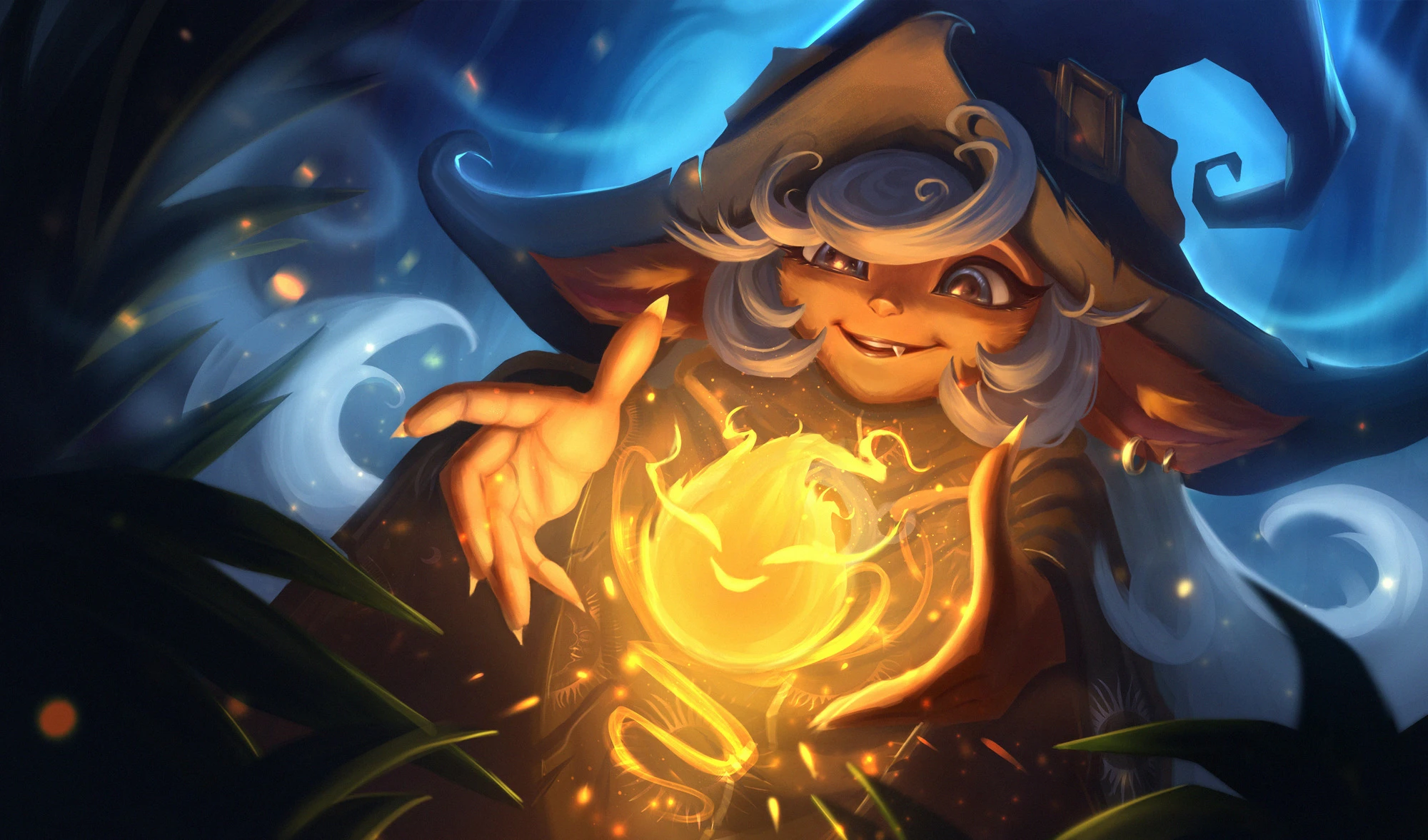
Featured Art: Character Illustration Art by Marc Baeza
Application in Character Design
Once the shape vocabulary is in place, the work becomes how to apply it across the figure, the silhouette, and everything the character carries with them.
Silhouettes
A strong character design should be recognizable in silhouette alone. Before color, facial features or any rendering pass, the outline of the figure carries the first read. Designers test silhouette strength by blacking the character out and asking whether the form still communicates who they are.
In animation and games, where readability across distance and motion matters, the silhouette is often what carries the character through the scene. Core shapes define the outline. A clear silhouette is almost always a clean shape language decision made early in the design phase.
Character Archetypes
Heroes built on circles and squares read as trustworthy, dependable, and emotionally accessible. Villains built on triangles read as sharp, calculating, or dangerous. Tricksters and fast-moving characters borrow triangular forms to suggest unpredictability. The choice of shape supports the narrative role before the script ever introduces the character.
This is why shape language in art is treated as foundational across illustration, animation, and game design. The same logic carries into figurine design programs, where physical sculpts depend on silhouette and shape grammar to read clearly from every angle.
Purpose and Impact
Shape language elicits an emotional response and conveys personality almost instantly. It guides decisions about clothing, posture, accessories, and the overall silhouette, and it reduces the need for dialogue to explain who a character is. The audience already knows. They knew when the figure stepped on screen. The character's body has been telling the story from the first frame.
Using Shape Language Beyond the Body
The same principles extend to costumes, hairstyles, props, and accessories. A villain in a triangular cloak reinforces the threat already coded into the silhouette. A hero whose armor breaks into circular plates softens an otherwise rigid figure. Hair that points in sharp, kinetic angles reads differently from hair that falls in soft curves.
Every element the character carries either reinforces the dominant shape language or deliberately contradicts it for tension. In the right designer's hands, a single accessory can shift how the audience reads the entire figure.
Explore Techniques for Character Design at 3dsense Media School
Circles, squares, and triangles are foundational tools through which designers express personality, role, and emotion in character work. They are guides, not strict rules, and the strongest designers learn when to follow them and when to break them with intention.
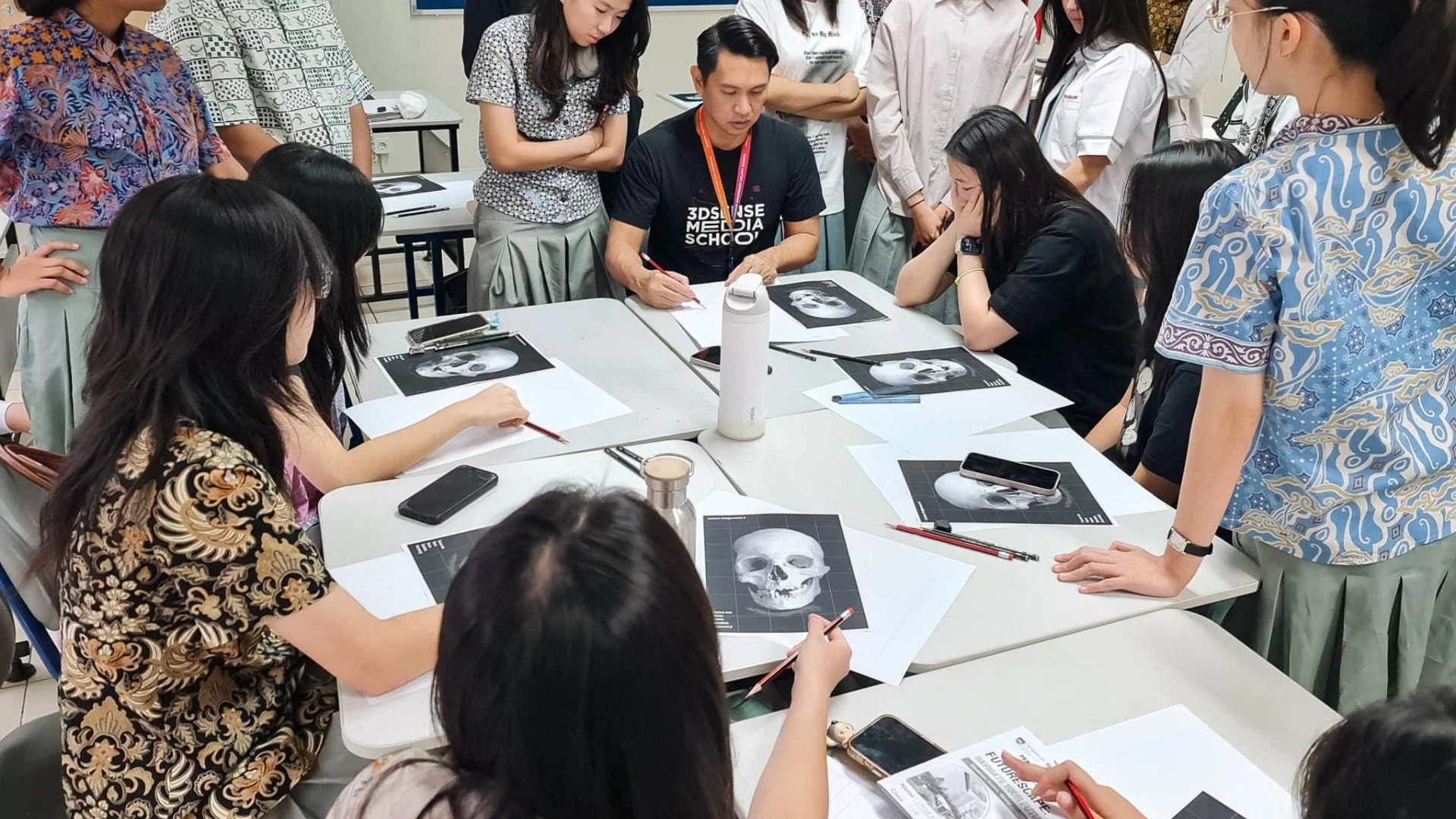
At 3dsense Media School, our Concept Art & Illustration diploma develops fluency in shape language alongside the technical and artistic skills required to design characters for animation, games, and film. Students work through foundational design principles, industry-aligned software, mentor-led critique, and production-ready portfolio.
Find out what your future could be as a concept artist or character designer through a digital illustration course built around studio expectations. Train at a digital art school in Singapore ranked as the Top 5 Creative School Worldwide by The Rookies in 2025.






 Chat Now