
Every 3D animation project reaches a point where the models are built, the textures are applied, the lights are positioned, and the characters are moving. Rendering happens next. It is the stage where all that digital data becomes something an audience can actually watch.
Rendering in 3D animation is the process of converting a fully constructed 3D scene into a sequence of 2D images or video frames. Think of it as pressing the shutter on a camera after every detail of a shot has been set up. The key difference is that every element in the frame, from shadows and reflections to surface materials, has been built mathematically inside the computer. It is the moment all prior work converges into a visible, polished result.
It is also the most computationally demanding step in the entire pipeline.
How 3D Rendering Works
A rendering engine processes all the data in a scene: the geometry of the models, the properties of the materials, the position and intensity of the lights, the camera angle, and the movement of every animated element. From that data, it performs a large volume of mathematical operations to simulate how light behaves in that environment.
Reflections, refractions, ambient occlusion, and global illumination are all computed on a per-pixel basis. The output is a single 2D image, or frame. Rendered sequentially at the correct frame rate, those individual images produce the illusion of continuous motion.
Complex productions often break a scene into separate render passes: individual layers for shadows, reflections, or ambient light that are composited together in post-production. This gives artists precise control over the final image without re-rendering the entire scene from scratch.
Key Elements Involved in 3D Rendering
Four core elements feed into the 3D animation rendering process, and the quality of each one shows up directly in the final frame.
1. Modeling

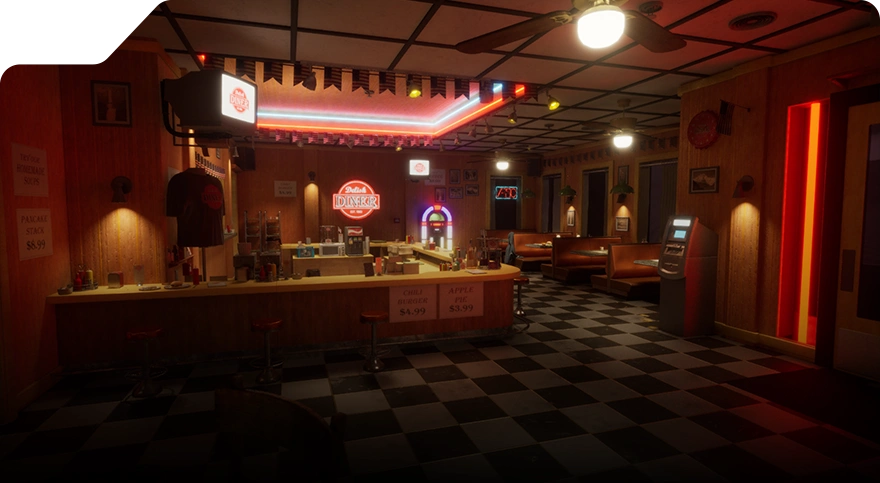
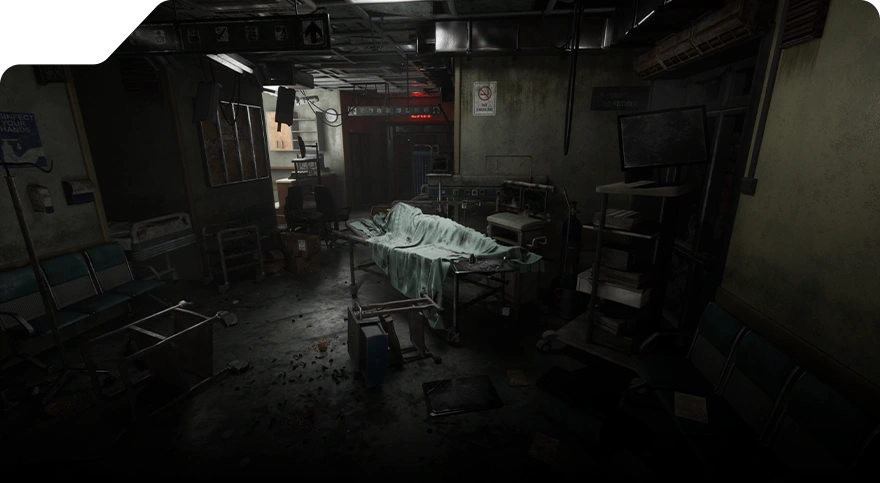
Featured Art: Interior Environment 3D Modeling Art by Nonie Chong
The geometric foundation of the scene. Every character, object, and environment asset must be constructed with clean topology before the rendering engine can interpret it accurately.
2. Texturing and Shading
Surface properties determine how materials respond to light. A roughness map controls how matte or glossy a material appears; a metallic map instructs the renderer on how to treat reflectivity. These properties interact directly with the lighting calculations to produce realistic or stylized results.
3. Lighting

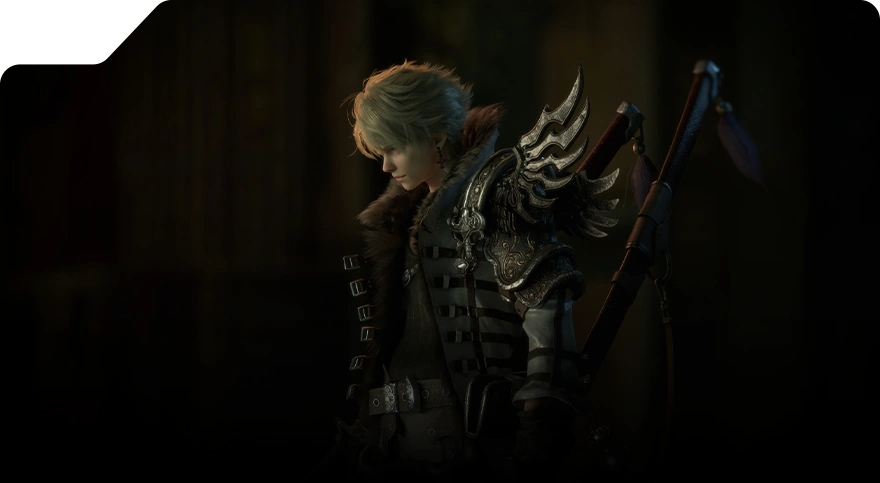
Featured Art: Environment 3D Modeling Art by Nonie Chong
Virtual light sources define the mood, depth, and visual focus of a scene. Unlike real-world cinematography, every light is placed and configured by the artist, giving complete control over the atmosphere. The quality of the lighting setup also has a direct impact on render times.
4. Animation
Movement data for characters, objects, and cameras is captured in every frame during rendering. The engine calculates each frame individually, recording the exact position of every element at that precise moment in time.
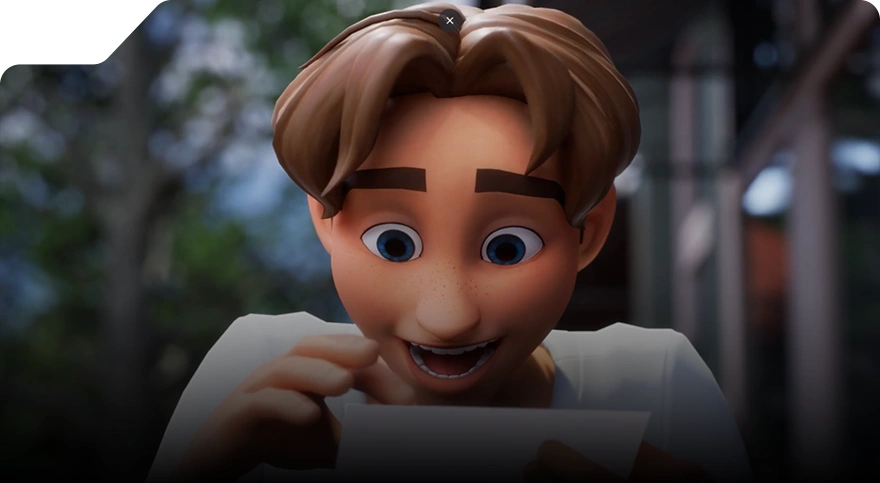
Featured Video: Student Animated Film by Richo Chandra
Types of Rendering
Rendering in 3D animation broadly falls into two categories, distinguished by the time available per frame and the level of visual quality required.
| Real-Time Rendering | Offline Rendering | |
|---|---|---|
| Speed | Instantaneous (30–120 fps) | Seconds to days per frame |
| Visual Quality | High, with approximated lighting | Physically accurate, highly detailed |
| Primary Use | Video games, VR, interactive media | Film, television, broadcast animation |
| Common Engines | Unreal Engine, Unity | Arnold, V-Ray, RenderMan |
The line between the two continues to narrow as hardware improves, but the fundamental distinction remains: interactivity versus fidelity.
Why Rendering is Important
Rendering is where the artistic decisions made throughout production either succeed or fall apart. A well-rendered frame communicates depth, texture, atmosphere, and motion at once. A poorly rendered one can undermine months of preceding work.
Stylistic choices, whether cel-shading for a cartoon aesthetic, physically accurate ray tracing for photorealism, or a deliberately non-realistic look, are all implemented at this stage. The final visual identity of any animation project is inseparable from how it was rendered.
Production constraints also become most visible here. Studios working on large-scale projects use render farms: networks of machines that distribute the computational load in parallel. For individual artists, balancing render quality against available hardware is a real and ongoing discipline.
Challenges in the Rendering Process
Render time is the most immediate challenge. A single frame with complex volumetric lighting, ray-traced reflections, and high polygon counts can take hours to process. Across a full animation sequence, the cost compounds quickly.
Additionally, managing scene complexity is a continuous practice. Artists and technical directors work to optimize geometry, reduce unnecessary polygon counts, and apply level-of-detail techniques so the animation rendering workload stays manageable without compromising the final image.
Balancing quality against deadline is a judgement every production navigates differently. Some studios prioritize physical accuracy; others find that a well-lit, artistically considered render achieves more with significantly less computation.
Learn More About the Art of Animation at 3dsense Media School
Rendering is one part of a much larger production pipeline. At 3dsense Media School, the 3D animation program in Singapore covers every stage: from initial concept and modeling through rigging, texturing, lighting, animation, and final rendering.
Students at a digital art school in Singapore work with industry-standard tools and build the technical grounding to take a project from raw geometry to polished, rendered output.





 Chat Now