
Walk into any design studio or animation house today and the terms motion graphics and animation show up in the same sentence, often interchangeably. The two disciplines share tools, principles, and production methods.
They are not, however, the same craft. Motion graphics versus animation is a distinction that shapes career paths, studio structures, and the daily work on a desk.
For anyone considering a creative education in moving image, the starting point is understanding what motion graphics is. From there, it becomes clearer where it sits inside animation, and how the two diverge in purpose.
The Key Differences Between Motion Graphics and Animation
| Motion Graphics | Animation | |
|---|---|---|
| Focus | Communicating information, data, or a brand message | Narrative, character, and emotional engagement |
| Visual Style | Geometric, flat, typographic, and design-forward | Wide range: 2D cel, 3D CGI, stop motion, claymation, and anime |
| Narrative | Rarely narrative-driven; movement supports design | Story-driven; built on character arcs and stakes |
| Application | Explainer videos, commercials, UI microinteractions, and title sequences | Feature films, animated series, music videos, and game cinematics |

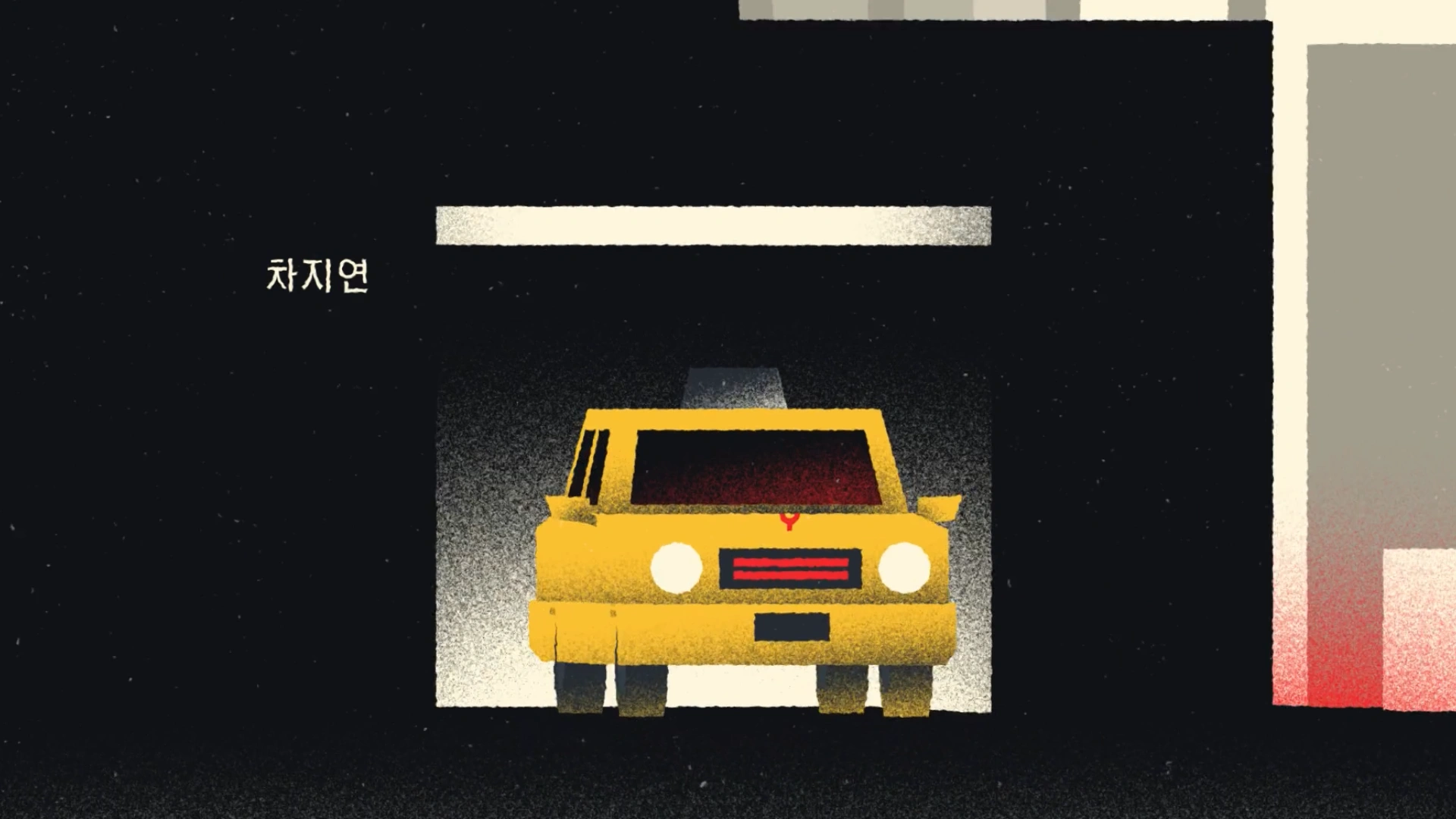
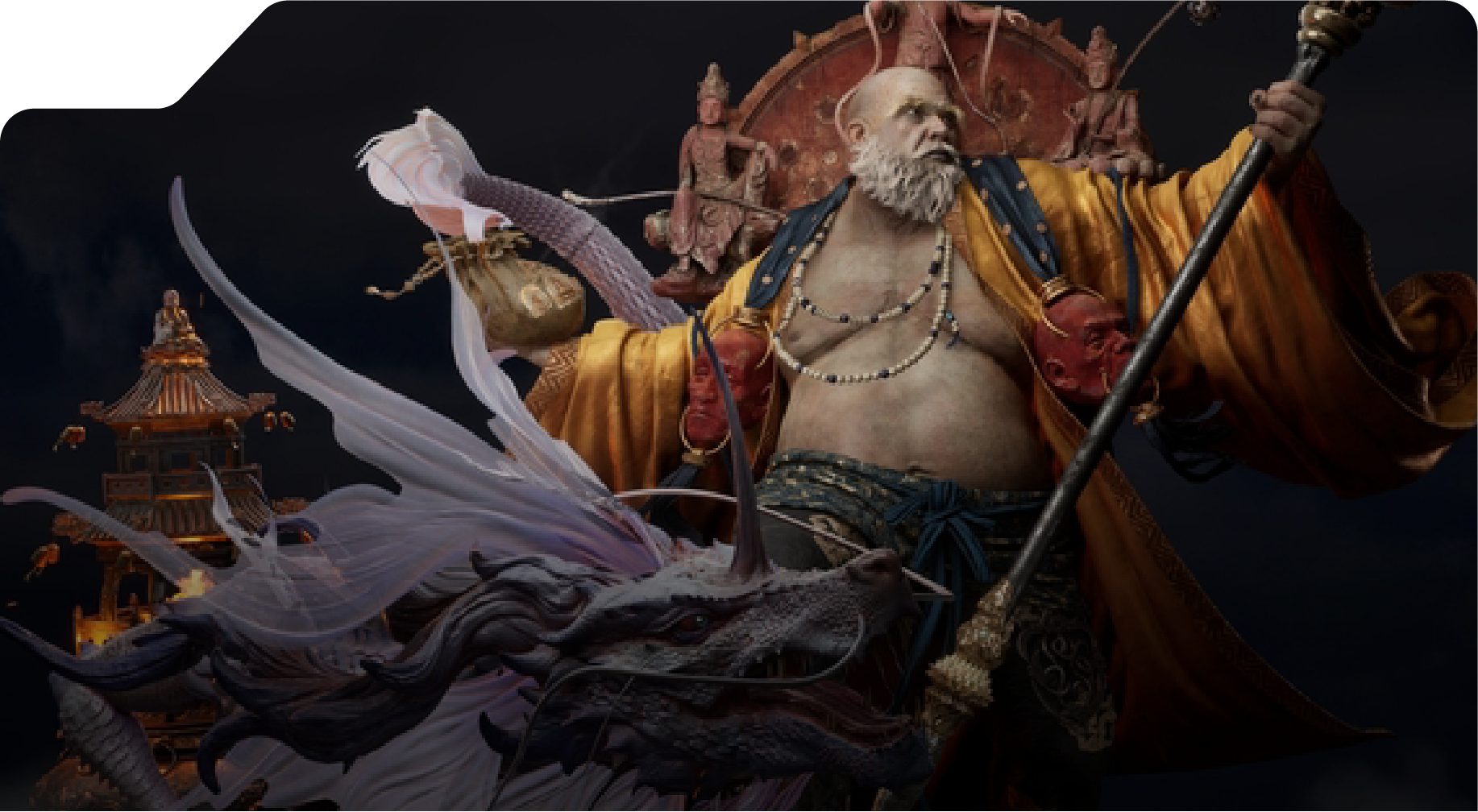
Featured Art: 3D Animation storyboard by Chewpreecha Pawin
1. Focus
The core job of motion graphics is communicating information. Explainer videos, data visualizations, animated infographics, and UI microinteractions all fall into this category. The work is to make a concept, a statistic, or a brand message legible in seconds.
Animation, by contrast, focuses on narrative and character. A short film that follows a protagonist through emotional beats is animation. So is a Pixar feature. The goal is engagement through story, not clarity of information.
2. Visual Style
Stylistically, motion graphics lean toward geometric, flat, typographic, and design-forward aesthetics. Think of the clean vector work in a Kurzgesagt explainer, or the precise transitions in a tech product launch. The style is rooted in graphic design principles: grid, hierarchy, typography, and color theory.
The animation side covers a much wider visual range. 2D cel animation, 3D CGI, stop motion, claymation, and anime all sit within it. The stylistic vocabulary is as broad as the medium itself.
3. Narrative
This is the cleanest line between the two disciplines. A motion graphic rarely carries a narrative on its own. Movement exists to support a design message or explain an idea. Remove the movement, and you still have a readable graphic.
On the animation side, the structure is narrative-first. Characters have arcs, scenes carry stakes, and removing the story collapses the work. Whether a piece tells a story is the single most useful test for categorizing it as motion graphics.
4. Application
Common formats include commercials, social media ads, explainer videos, kinetic type sequences, app interfaces, and film title sequences. Saul Bass's work on Hitchcock titles is one of the earliest landmarks in the field.
On the animation side, the work shows up in feature films, animated series, short films, music videos, and video game cinematics. Studios like Pixar, Studio Ghibli, and Laika sit firmly in this territory.
When to Use Motion Graphics Versus Animation
Featured Video: DAYBREAK, an animated short film by 3dsense Media School
Choose motion graphics when the task is to clarify information, reinforce a brand, or add visual rhythm to a message. Common use cases:
- A fintech startup explaining how its product works
- A conference recap video
- A product UI demo
- A data-driven social post
Choose animation when the goal is emotional connection through character and story. Common use cases:
- A brand film about a customer's transformation
- An animated short film entry for a festival
- A game cutscene or in-game cinematic
The formats aren't mutually exclusive. A campaign might open with a 10-second character animation and transition into a motion graphics segment that breaks down product features. The category you're working in is determined by the dominant intent, not the runtime or the toolset.
Practical Considerations for Creators
Budget, timeline, and skillset all factor into the decision.
Production cycles on the motion graphics side are generally shorter. A 60-second explainer can be scoped, designed, and animated in a few weeks. Character animation sequences of the same length often take months, since rigging, acting passes, and lighting add production layers that motion graphics skip.
The skills sit in different places, too. A motion graphics designer spends more time in After Effects, with strong foundations in typography and graphic design. A 3D animator works in Maya or Blender, studies human anatomy and mechanics, and considers performance and timing. If you enjoy solving visual communication problems, motion graphics will feel natural. Those drawn to acting, weight, and character performance usually fit better within animation.
Animation and Motion Graphics: The Overlap
Featured Video: Motion & Graphic Design Demoreel by Elaine Ng
These disciplines share more than their boundaries suggest. Both rely on the same core principles: timing, easing, anticipation, and follow-through. Both use keyframes as the fundamental unit of movement.
Software crosses over as well. Adobe After Effects is the industry standard for motion graphics, but it also handles 2D animation and compositing. Cinema 4D and Blender appear in motion graphics pipelines and full 3D animation pipelines alike. Autodesk Maya, primarily an animation tool, is often used for 3D elements in motion graphics work.
Because of this overlap, many motion designers pick up animation skills over time, and many animators learn motion graphics for commercial work. Motion design, mograph, and broadcast design are other names for motion graphics, depending on the studio and region. Motion media is a broader umbrella that includes both. The difference between animation and motion media is one of scope: motion media covers anything that moves on screen, while animation specifically refers to the craft of engineered frame-by-frame motion.
Master Motion Graphic Design and Animation at 3dsense Media School
Once motion graphics versus animation starts to feel like a clear distinction rather than overlapping terms, the next step is picking the right training. For students evaluating media design schools in Singapore, 3dsense Media School offers dedicated programs for both tracks.
- The Motion & Graphic Design Diploma covers typography in motion, kinetic composition, and industry-standard tools like Photoshop, Illustrator, After Effects, and Cinema 4D. It runs as a motion graphics course built for students heading into advertising, branding, and digital content.
- The 3D Animation, VFX & 3D Modeling Diploma is a 12-month intensive 3D animation diploma course. Students train in Photoshop, Nuke, and ZBrush, working through body mechanics, character acting, rigging, lighting, and visual effects. The program ends with a demo reel built around feature-film-quality work.
Both programs are taught by industry practitioners and structured around portfolio development. Browse the website or contact us to explore your creative pathway.





 Chat Now