
If you think that animation is just for cartoons made for kids, you need to think again! People often ask, “ What is Animation?” Animation is a mix of art, storytelling, and technology that turns your thoughts into reality on the screen. Animation can be seen all over digital media, taking many forms, such as blockbuster films, addictive video games, and even the interfaces on your favorite apps. The world of realistic animations, 3D-animated still images, and animated videos still mesmerizes the world.
The Evolution of Animation Styles: From Pencil Sketches to Hollywood Magic
Are you constantly thinking about what animation is and how it got here? What is the history of computer animation? How does animation manipulate physical objects before our eyes? How do they create stop-motion animation? Animation is the moving image on the screen telling a particular story. They began as simple books with drawings to depict stories and are now the jaw-dropping CGI we see in films today. Let’s take a quick trip through time:
Traditional Animation: The Foundations of the Industry
Traditional animation (also called cel animation) is hand-drawn. Before computers were advanced enough to handle animation and people knew what animation was, animators spent hours on end hand-drawing thousands of images and flipping them in a sequence to create a moving image on the screen for animated films. Famous examples include early Disney films like Snow White and the Seven Dwarfs (1937), Sleeping Beauty (1959), and The Lion King (1994). Each second of animation typically contains 12 to 24 hand-drawn frames, making it a time-intensive process that demands precision and artistry.
Though digital tools have replaced physical cels today, the hand-drawn style still inspires modern 2D animators who value its warmth and personality.
[Video Credit: Entertainment Tonight]
Stop Motion Animation Techniques: Bringing Physical Models to Life
Stop-motion animation is where physical models and puppets are moved frame by frame to create movement and animation, creating a moving image. The process of stop-motion animation is very time-consuming, but the results are worth the wait!
This method can use clay models (claymation), puppets, or real-world objects. Popular examples include Fantastic Mr. Fox (2009), Coraline (2009), The Nightmare Before Christmas (1993), and Missing Link (2019).
Because it involves photographing physical sets, lighting, and miniature props, stop motion feels tangible and handcrafted, giving it a unique charm that digital methods can’t fully replicate.
[Video Credit: LAIKA Studios]
Motion Graphics: Where Design Meets Movement
Motion graphics focus on moving text, shapes, and graphic elements rather than storytelling with characters. You’ll often see this style in title sequences, advertisements, infographics, or UI animations.
A subcategory of this is type animation (or kinetic typography), where text moves dynamically with sound or dialogue. Famous uses include the opening credits of James Bond films, which combine stylized visuals with iconic music, and the title sequence of Westworld, which blends motion graphics and 3D animation to set a dark, futuristic tone.
Motion graphics are often created using Adobe After Effects, merging graphic design and animation to make ideas more engaging.
Featured Video: Motion & Graphic Design Demoreel by Shanika Fan
Vector and Bitmap Animation: Bringing Digital Drawings to Motion
This form of animation relies on digital artwork made from either vector or bitmap graphics.
- Vector animation uses paths and curves, keeping visuals sharp at any size, ideal for web and app animations. It is widely used for character rigs and motion graphics.
- Bitmap animation uses pixel-based images, allowing for detailed textures like digital painting, though it’s heavier to process.
Modern 2D animation often blends both styles for flexibility and visual richness.
Computer Animation (Digital Animation): Creating Life-like Digital Worlds
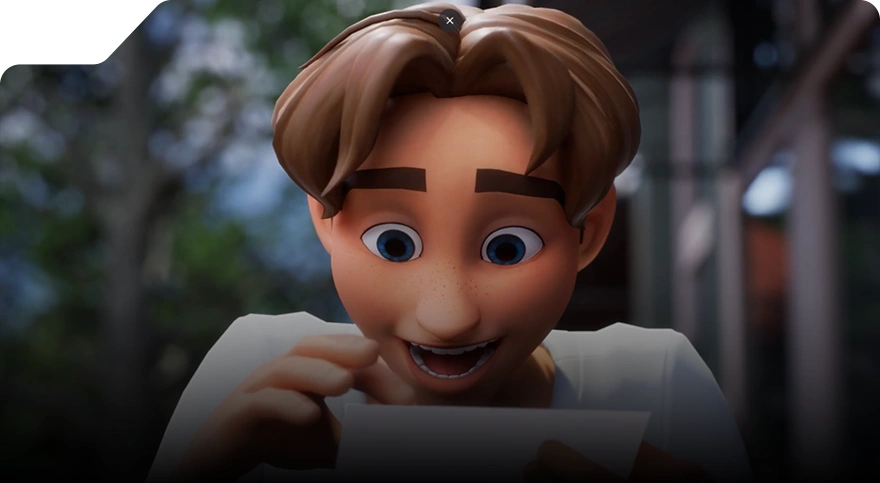
Computer animation, also known as digital animation, is created entirely using computer software. It can include both 2D and 3D animation, but today it most often refers to 3D animation, where artists build virtual models, add textures, rig skeletons, and animate movements in a digital environment.
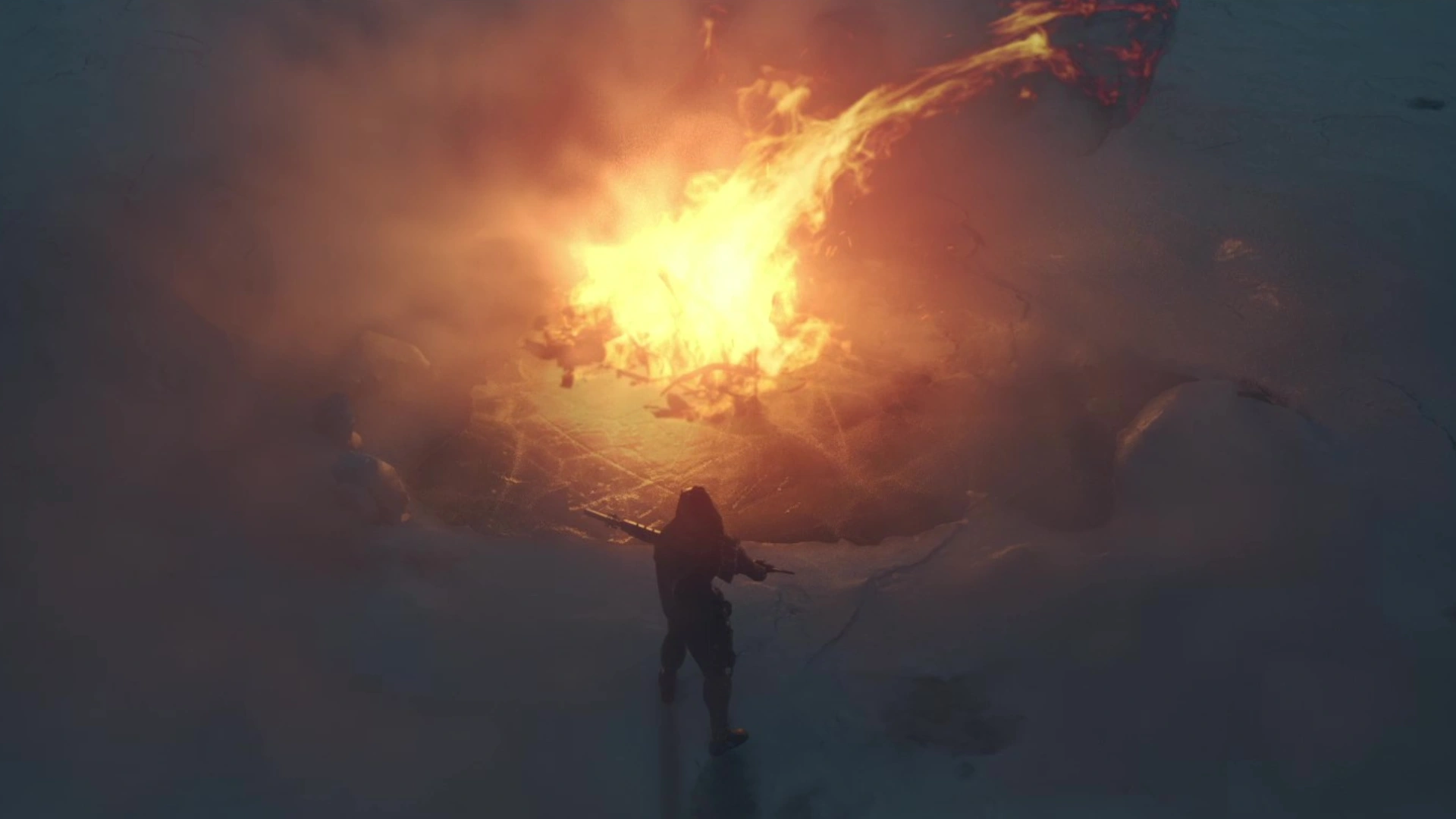
Using tools like Blender, Autodesk Maya, or Cinema 4D, animators can simulate realistic lighting, camera angles, and effects. This technique powers modern films, games, and visual effects, from Pixar movies to CGI scenes in live-action films.
It’s the most widely used form of animation today, combining technology and artistry to create immersive worlds and lifelike characters.
Featured Video: Animated Film 'The Lead That Bled' by Luqman Nur Hazim
The Role of Animation in Various Industries
Animation is about more than entertainment. Animation now plays a major role in several industries, such as media, to completely transform the way we interact with them.
Film & Television: The Heart of Storytelling
Animation has taken all over the entertainment industry, with Disney characters like Cinderella and anime masterpieces like Demon Slayer: Kimetsu no Yaiba being the best examples. Traditional animation still continues to catch the eye of the world, whether it is 2D, 3D, or stop-motion.
Gaming: Bringing Virtual Worlds to Life
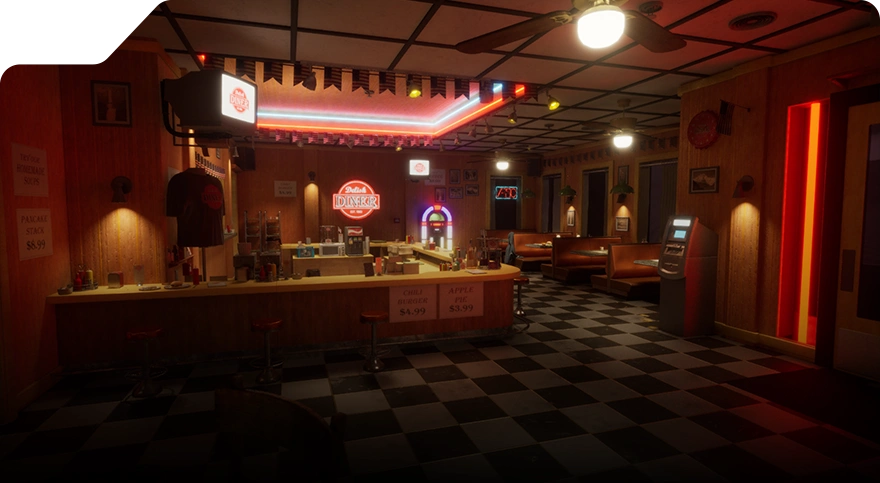
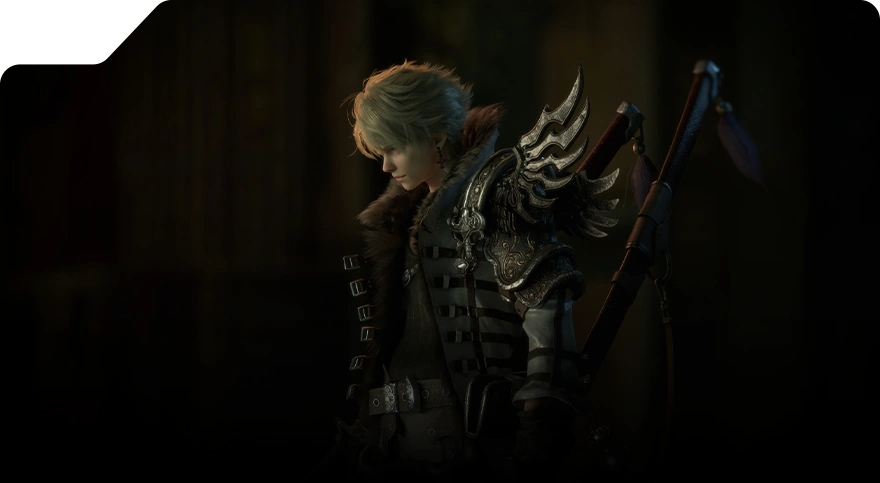
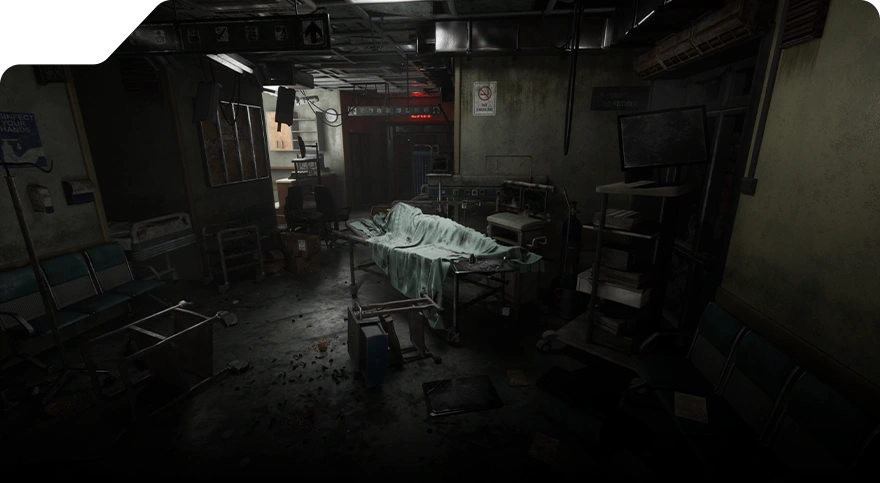
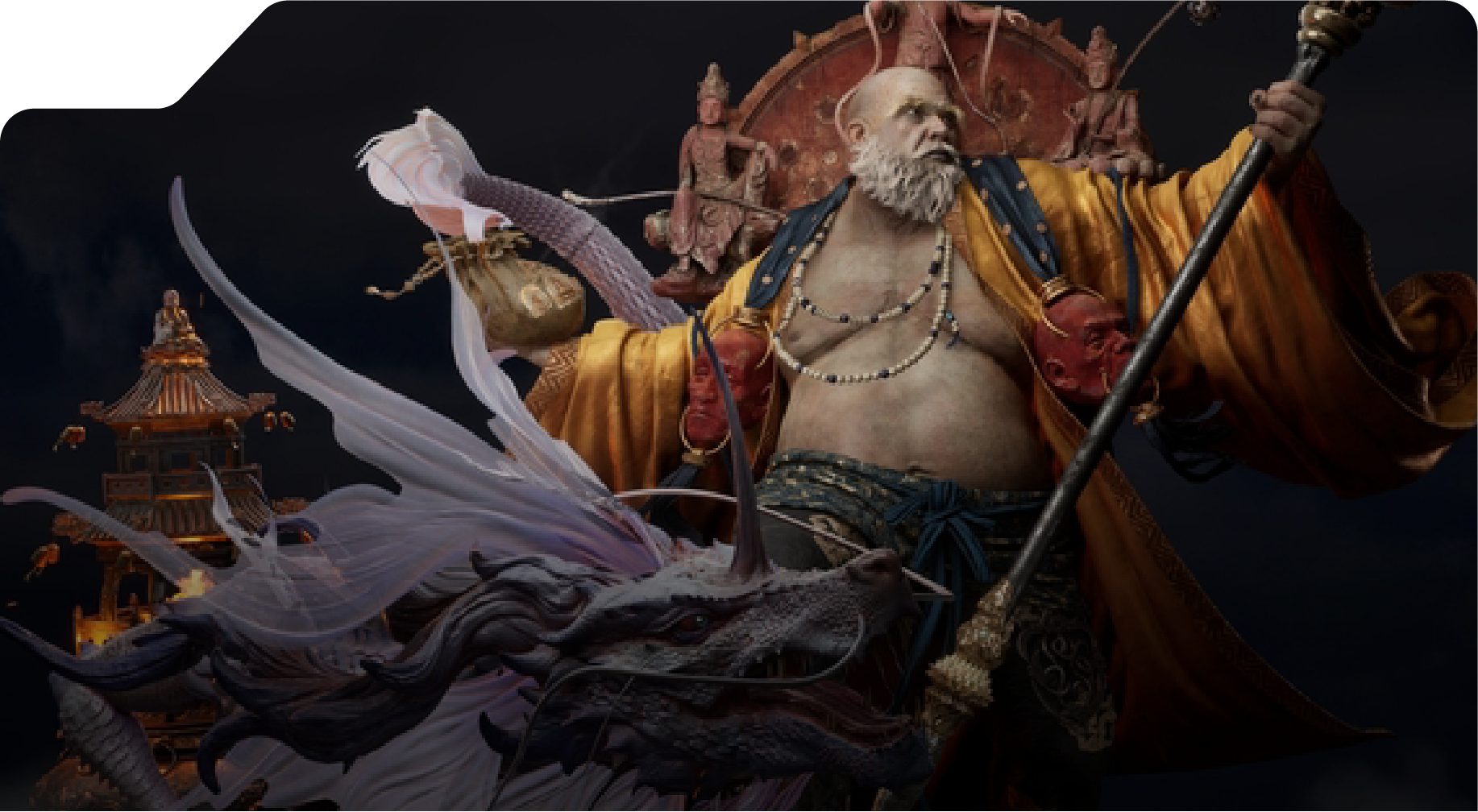
The gaming industry heavily relies on different animation styles to create the entire user experience for players. It plays a very important role in keeping the player engaged and telling the story of the video game.

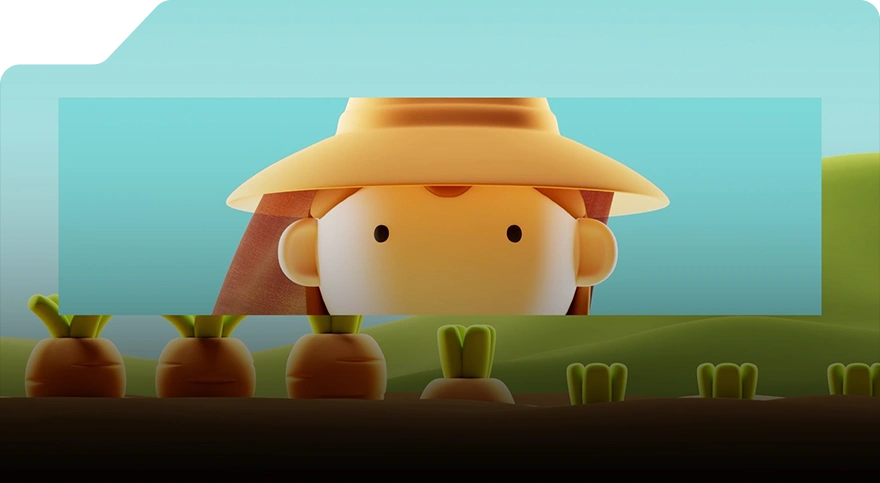
3D animation still of Piper by 3dsense alumna, Shao Ying, from her animated short.
Advertising & Marketing: Eye-Catching Motion Graphics
Brands use animation styles to make attractive ads, explainer videos, and social media content. Motion graphics help them simplify ideas that are too complex to explain otherwise and grab the attention of the consumer in a digital-first world.
Education & Training: Learning Through Animation
E-learning platforms are using animation to make lessons more engaging for kids with the help of educational cartoons. There are also examples of traditional cel animation being used in the corporate world on training videos that simplify technical concepts.
How to Start a Career in Animation
If you are looking to start your career in the animation industry, here is how you need to start:
Step 1: Master the Basics
You need to know the answer to what animation is before you begin working. Understand the 12 principles of animation, like timing, spacing, and squash-and-stretch, before you rush into software. These rules are applicable to all sorts of animations and will be immensely helpful.
Step 2: Get Professional Training
If you are seriously considering animation as a career and want to start learning, you can enroll in a 3D animation program at a respected institute to help you. Looking for the best animation schools in Asia? 3dsense Media School is known all over the world for producing industry-ready talent.
Step 3: Learn the Software
Industry-standard tools include:
- Autodesk Maya (Used in Hollywood films and gaming)
- Blender (Great for beginners and professionals alike)
- Adobe After Effects (For motion graphics and 2D animation)
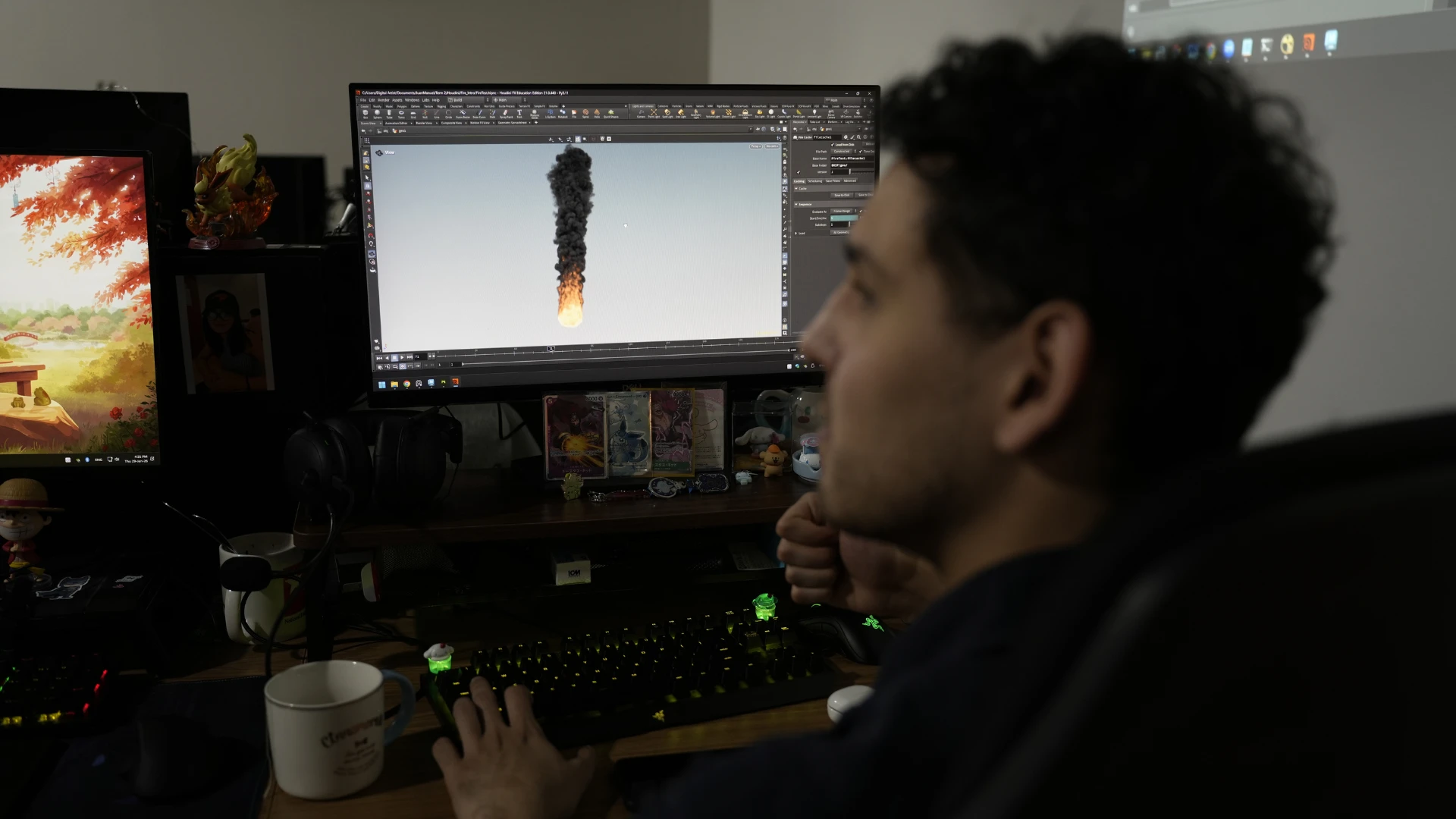
- Houdini (For advanced VFX and procedural animation)
Step 4: Build a Killer Portfolio
Your portfolio is your resume and will represent you everywhere. Focus on quality over quantity. You would rather have a few properly done animations than a bunch of them unfinished.
Step 5: Network and Find Mentors
Join online communities like ArtStation, LinkedIn, and animation forums to show off your animation techniques, such as cel animation and traditional animation. Networking can open doors to internships and job offers.
Step 6: Get Industry Experience
Start with freelance gigs, internships, or personal projects. Many animation students land full-time jobs straight out of school by showing their work online.

Ranked #9 Best 3D Animation School and Ranked #12 Best Visual Effects School in the World by The Rookies
Final Words
Animation continues to push creative and technological boundaries as it offers a career path for those who are passionate about storytelling and visual arts through two-dimensional animation. The industry provides numerous opportunities for skilled professionals to participate in projects like blockbuster films, short films, medical simulations, and marketing content.
Learn more about our 3D Animation, VFX & 3D Modeling Diploma Program and start your journey toward an exciting career in animation!





 Chat Now