
An engaging game should strike the right balance between the key game design principles, namely the core mechanics and player experience. While strategic user experience is the foundation of the game, art and animation embellish it, creating a compelling visual experience that transports and immerses players into the world itself.
For aspiring game artists, the capability to integrate artistic vision into the gameplay loop is essential. This requires proficiency in designing characters, environments, textures, visual effects (VFX), and animations that support both mechanics and narrative.
By combining your unique art style with the pillars of game design, you can craft dynamic visuals that guide player behavior, evoke emotion, and keep players invested throughout the gameplay experience.
What Are Game Design Principles?
Game design principles are the rules, methods, and best practices that guide designers and artists in creating interactive and enjoyable games. It shapes the player’s experience: how they interact with the game, the challenges they face, and the satisfaction they derive from progressing through it.
The principles of game design include:
- Core mechanics: The fundamental actions players take.
- Challenge and skill: Ensuring gameplay is rewarding without being frustrating.
- Feedback and rewards: Reinforcing player actions to create a sense of accomplishment.
- Storytelling and world-building: Providing diegetic context and meaning for the gameplay.
By applying these game design principles, game artists can bring their unique visual style into the mix, transforming ideas into fully realized worlds on screen.
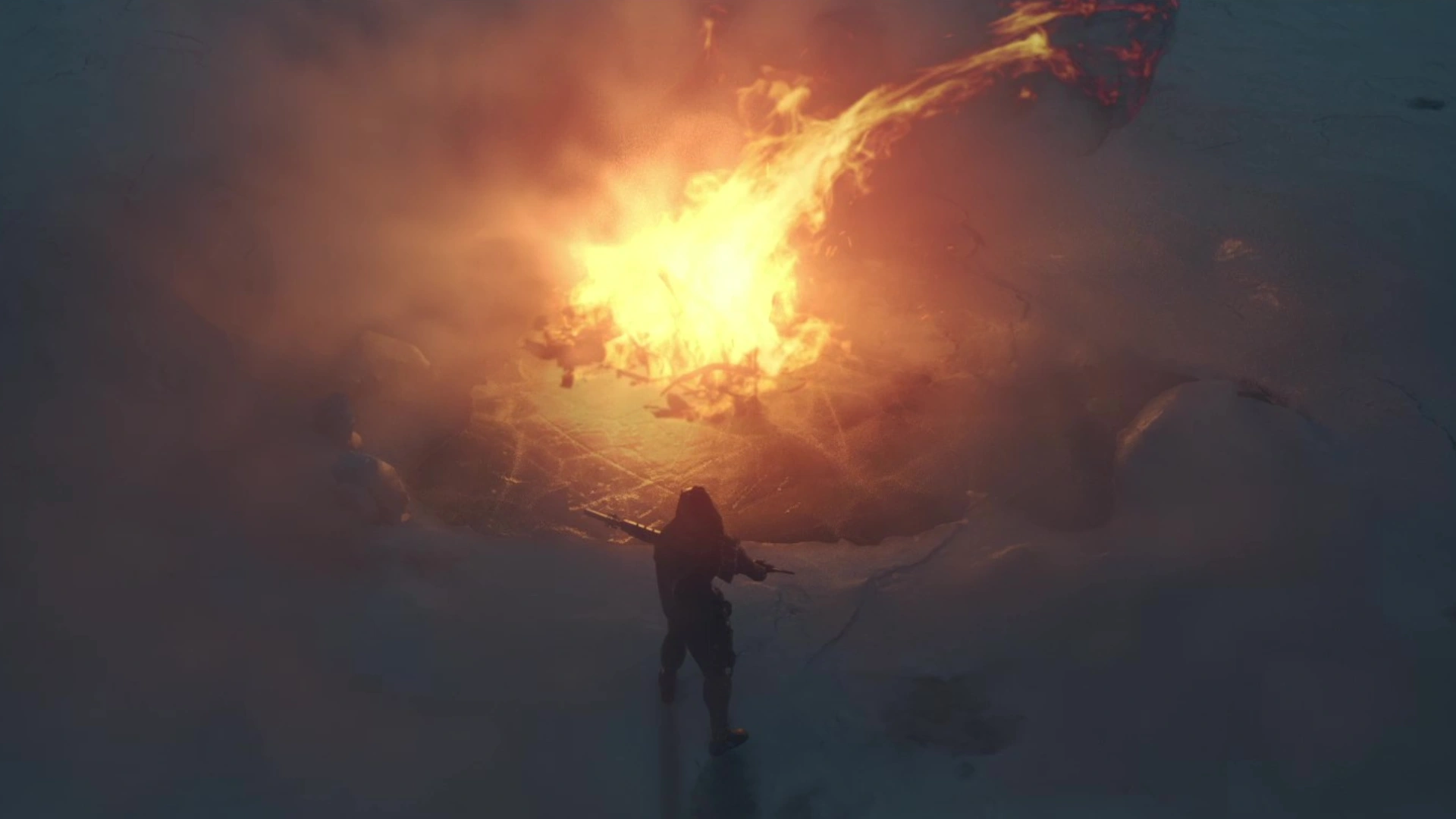
Featured Video: Hero Character Intro 3D Animation Game Art by Eric Tam
Create Visuals That Make the Core Mechanics Compelling
In video games, mechanics and art are intertwined: movement, physics, and player actions must feel natural, responsive, and visually satisfying.
As a game artist, you should translate character design, visual effects, and environmental art into gameplay that feels intuitive and purposeful. Your visuals should help players understand mechanics at a glance, making strategies, objectives, and progression feel straightforward and rewarding.
Emphasize and make your core mechanics clearer with these design practices:
- Create Expressive Animations: Make every player action feel impactful. Whether it’s a jump, attack, or environmental interaction, animations should convey weight, momentum, and feedback, allowing players to connect with the actions of their in-game characters.
- Provide Immediate Visual Feedback: Reinforce actions with feedback, such as particle effects, motion trails, lighting cues, or dynamic camera movements. This can help players understand the consequences, rewards, or hazards of your game, making it more intuitive.
- Ensure Environmental Clarity: Design environments that communicate gameplay opportunities. Platforms, hazards, and interactive objects should be visually distinct so players can read the world quickly and make informed decisions.
- Maintain Stylistic Consistency: A coherent visual style across characters, objects, and environments can help players intuitively understand game rules and mechanics. Consistent use of colors, shapes, proportions, and design motifs ensures that players can quickly recognize interactive elements, identify threats or rewards, and navigate the game world with ease.
- Highlight Core Mechanics Through Art: Use lighting, color, and motion to emphasize key gameplay elements. For example, a glowing path can guide exploration, while animated effects can make combat or abilities feel powerful and rewarding.
- Support Player Agency Through Visual Cues: By designing distinct art for different paths, tools, or abilities, players can clearly perceive the effects of their decisions, which encourages exploration and experimentation. Thoughtful use of color, lighting, and animation can highlight alternative routes, unlockable items, or consequences of actions, reinforcing the sense of control in the game.
- Integrate UI Thoughtfully: In RPGs and action-oriented games, HUD (heads-up display) elements and visual indicators should enhance gameplay rather than distract from it. A well-designed interface, featuring clear health bars, energy meters, ability cooldowns, and mini-maps, helps players stay aware of their status and surroundings without breaking immersion.
Featured Video: Game Modeling Demoreel by Vanessa Ang
Designing for Player Experience: Keep Challenges & Goals Interesting Through Visuals
Game artists must be strategic in crafting illustrations, layouts, textures, color palettes, animations, and visual cues that foster an emotional connection and guide player behavior. When visuals convey goals, motivations, and challenges that resonate with the player, they can naturally identify with the characters and feel like an integral part of the game’s narrative.
Consider the following when creating elements for the game experience:
- Keep Players Motivated: Create a continuous loop of goals, tasks or challenges, and rewards that keep players coming back for more. When these are paired with visually appealing collectibles or prestigious titles that players can take pride in, they help sustain curiosity and reinforce a lasting sense of accomplishment.
- Make Player Agency More Compelling: Players should feel that their decisions shape the outcome of the story or gameplay. Use visual and auditory feedback, like environmental shifts, character reactions, or changing color schemes, to reflect the weight of player decisions. When choices are visually reinforced, they feel more personal and impactful.
- Pacing and Flow Control: Great games cyclically alternate between periods of high-intensity engagement and slower, more measured pacing, allowing players to rest and re-engage. To help set the rhythm, be strategic with the visuals and audio you use. For example, dynamic lighting and high-BPM soundtracks can heighten tension during combat sequences or timed challenges, while desaturated colors and ambient soundscapes can create moments of calm or reflection between levels.

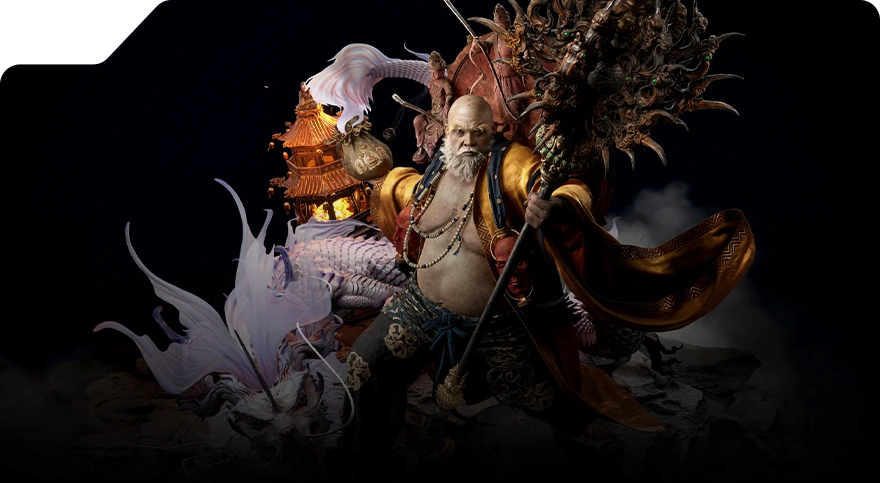
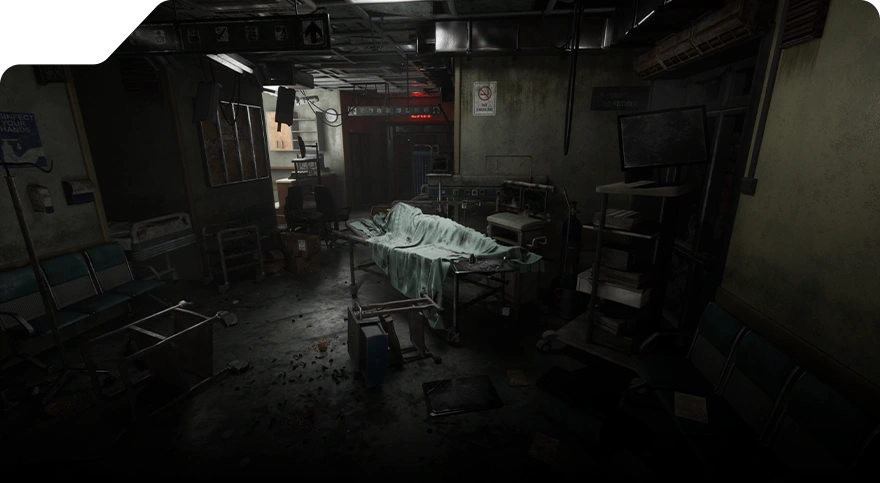
Featured Image: Ghost Maiden by Sebastian Khoo
Development and Iteration: The Path to a Polished Game
Even the best game concepts require multiple rounds of testing and refinement before they reach their full potential. Iteration bridges the gap between vision and execution, ensuring that the final product gives players a unique and dynamic gaming experience.
- Playtesting: Observing real players interact with your game is one of the most valuable steps in the development process. Playtests reveal usability issues, measure engagement levels, and uncover areas where the experience might not align with your intent. Players’ reactions, choices, and even frustrations can offer insights you might overlook while you have been immersed in the creative process.
- Iteration and Improvement: Begin with a minimal, functional prototype that captures the essence of your core mechanics. Use this early version to test gameplay flow and player response, then refine continuously. This process might involve rebalancing difficulty levels, enhancing visual clarity, or tweaking sound design to improve feedback. During this phase, you don’t just fill in the gaps but also experiment, take creative risks, and find what resonates with players.
Learn How Game Artists Create 3D Worlds with Game Designers
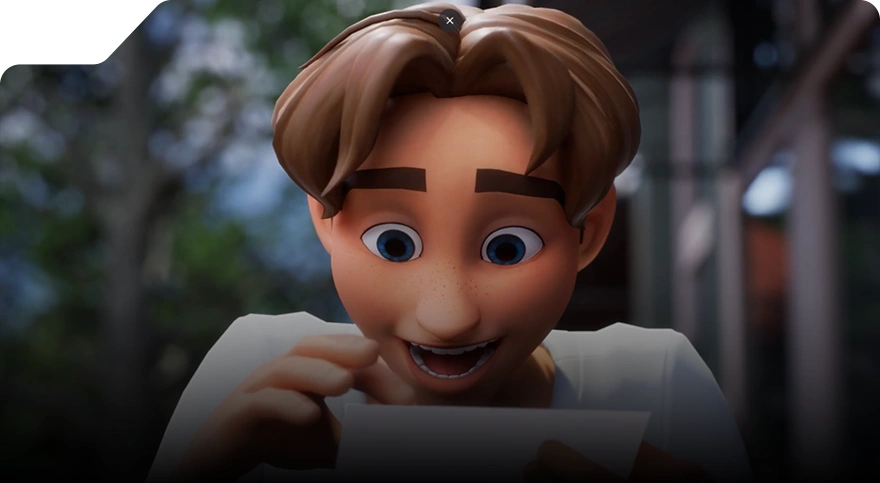
Featured Video: Senior Animator at Hazelight Studios Danny Chong (3dsense Media School Alumni)
Learn What Makes a Good Game Design by Enrolling in 3dsense Media Design School
Apply these game design principles and create games that resonate and entertain.
If you want to further your skills, enrol in a game art program at 3dsense Media School. Our concept design course and 3D game art course provide hands-on experience with industry-standard tools to equip you with the practical skills needed for excelling in a career in the gaming industry. At our media design school, you’ll learn how to bridge art and technology, create captivating characters and environments, and develop assets that bring interactive worlds to life.
From brushing up the basics of game design to advanced techniques, we guide you through your journey in honing your artistic and technical abilities. You’ll explore visual storytelling, animation, and environmental design, all while learning to create experiences that engage players emotionally and visually. By the end of the programme, you’ll have a strong portfolio of projects, ready to showcase your skills to potential employers and set you on the path to a successful career in the gaming industry.
For those curious about career opportunities, check out our insights into potential roles for game artists.





 Chat Now