
Game design is a multidisciplinary craft that blends creativity, technology, and problem-solving to create engaging interactive experiences. As a game designer, you need creative, technical, and soft skills to build worlds, mechanics, and systems that captivate players and keep them immersed.
From shaping compelling narratives and visual styles to understanding game engines and player behavior, these skills work together to define how a game looks, feels, and plays.
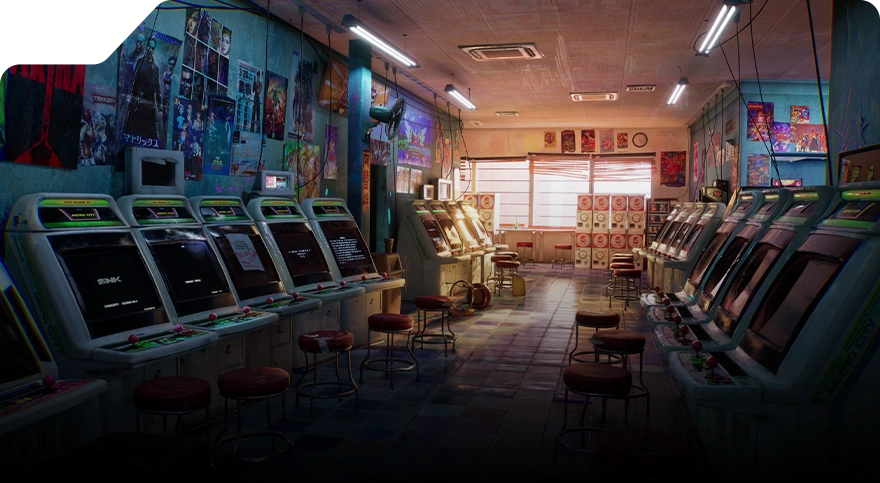
Featured Video: 3D Game Environment by Michael Yao, 3dsense Media School Student
Creative Foundations of Game Design
Game design relies on having a strong creative foundation to shape how players perceive, interact with, and ultimately connect with a game world.
1. Creativity & Visual Storytelling
A game designer’s creativity enables them to conceptualize unique worlds, characters, mechanics, and systems that shape a game’s identity. It transforms a set of rules and assets into a living, believable experience that players want to explore and return to. Creativity is the foundation for visual storytelling, allowing designers to communicate the emotion, mood, and narrative of their game effectively.
With strong visual storytelling skills, designers create immersive and cohesive worlds by guiding player understanding through visual cues. Elements such as lighting, color, level layout, animation, and environmental details help players infer story, context, and tone without explicit explanation. This approach supports distinct character and world design while ensuring gameplay mechanics reinforce the game’s overall theme.
Whether it is a dystopian city showing signs of decay or a vibrant fantasy realm filled with life, visual creativity impacts how players emotionally connect with the game and understand its world intuitively.
2. Storytelling & Narrative Design
A game designer’s storytelling and narrative design skills bring structure, purpose, and meaning to gameplay. Strong narrative design ensures that the video game’s story and mechanics support one another rather than competing for the player’s attention. Even in games that are not heavily story-driven, thoughtful narrative elements can provide motivation and context, encouraging players to complete missions, quests, and tasks with a clear sense of purpose.
Effective narrative design goes hand-in-hand with seamless gameplay. Worldbuilding through in-game notes, visual cues, level design, and NPC interactions allows players to uncover the story naturally as they play, deepening their immersion without disrupting gameplay flow. As such, players will feel more connected to the game world and invested in their actions.
3. Game Theory
Game theory examines how individuals and entities strategise and make decisions in competitive or cooperative environments. As a theoretical framework, it models scenarios involving conflicting interests, limited resources, and player choice, providing insights into possible outcomes, incentives, and optimal strategies.
By incorporating this theory, game designers anticipate player behavior and balance interactions between players and systems. It is especially valuable in multiplayer, strategy, and competitive games, where player decisions directly affect others. Understanding concepts such as risk versus reward, cooperation versus competition, and equilibrium allows designers to create systems that feel fair, engaging, and challenging.
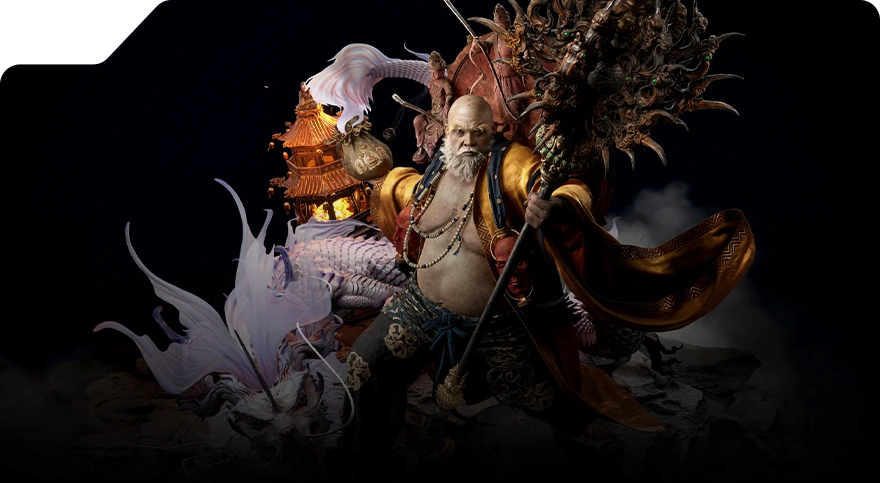
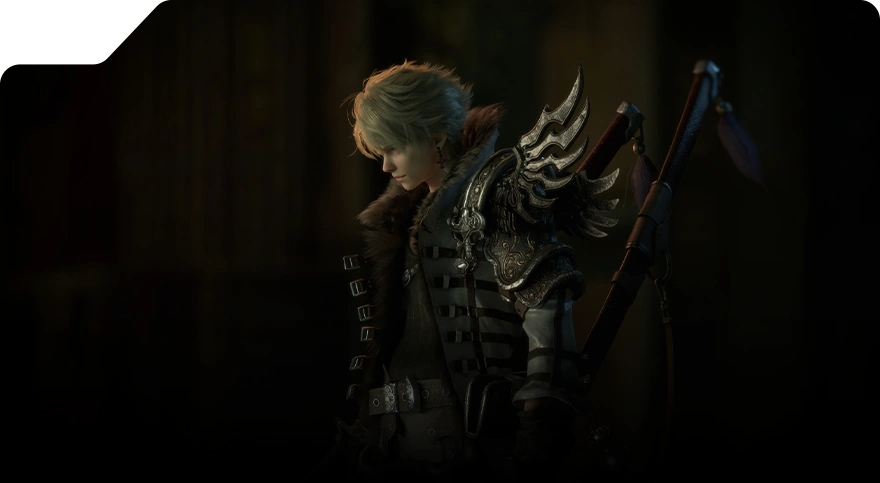
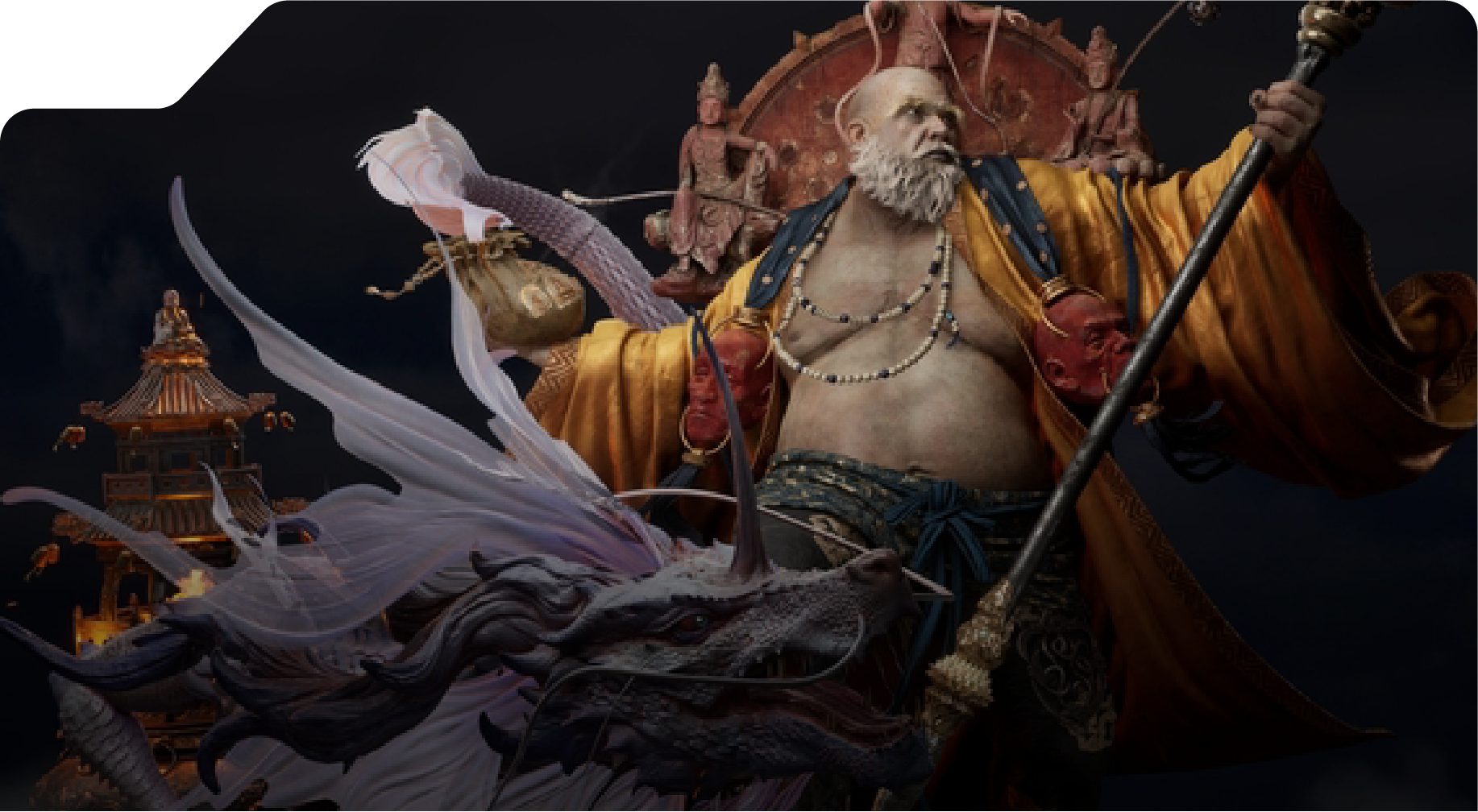
Featured Video: 3D Character Intro by Eric Tam, 3dsense Media School Student
Technical Skills A Designer Needs to Create Great Games
Game designers still need technical skills that help turn creative vision into a playable reality. While they often focus on concepts and player experience, knowing what tools to use and what is feasible for a video game helps them communicate effectively with development teams, build prototypes, and ensure ideas can be implemented within real-world constraints.
1. Technical Proficiency
While game designers may not always code entire systems, having a solid understanding of how games are built is essential for translating ideas into functional gameplay. Having knowledge of game engines such as Unity and Unreal Engine , along with basic programming knowledge, allows designers to create concepts that align with performance constraints and platform limitations while considering optimization from the outset.
Technical proficiency also enables designers to communicate more effectively with programmers and iterate efficiently during development. When designers understand how systems are implemented, they can make more informed design decisions, anticipate technical challenges, and contribute to smoother, more efficient development cycles.
2. Prototyping
Prototyping involves creating early, simplified versions of game systems to test ideas, mechanics, and player interactions. It is a core technical skill for game designers because it enables rapid iteration and discovery. Additionally, it helps validate ideas before they become expensive or time-consuming to implement. Some prototyping skills that can be beneficial for game designers include:
- Building simple gameplay loops to test core mechanics
- Using placeholder assets to focus on functionality
- Rapidly iterating based on playtesting feedback
- Identifying and solving design problems early in development

Soft Skills Needed for Team-Based Game Development
Game development is a highly collaborative process that requires more than just technical and creative ability. Soft skills are essential for working effectively within teams, communicating ideas clearly, managing complex projects, and adapting to changes during development.
1. Communication & Collaboration
Strong communication skills are vital in game development because designers typically work with programmers, writers, producers, and QA testers. Being able to communicate effectively ensures that your ideas are understood, feedback is shared constructively, and development stays aligned with the project vision.
2. Project Management
Game development involves complex schedules, milestones, and dependencies. Therefore, having project management skills helps designers plan work, prioritize tasks, and track progress in a structured way. Core project management abilities required include:
- Setting realistic goals and timelines
- Breaking large tasks into smaller, manageable steps
- Managing scope and balancing feature creep
- Tracking progress and adapting plans as needed
3. Teamwork
Game development is rarely a solo effort, so strong teamwork is essential for a healthy and productive production environment. Effective teamwork involves being supportive, dependable, and willing to collaborate toward shared goals. And designers who contribute positively to team dynamics help create an atmosphere where creativity, communication, and productivity can thrive.
4. Attention to Detail
Attention to detail is crucial for ensuring gameplay feels polished, consistent, and high-quality. Designers must be precise when defining mechanics, balancing systems, and reviewing game content to prevent small issues from escalating into larger problems later in development.
Important detail-oriented responsibilities include:
- Checking for consistency in mechanics, UI, and level design
- Identifying and documenting bugs or inconsistencies
- Balancing difficulty, pacing, and player progression
- Reviewing art and narrative elements for coherence
5. Adaptability
Building video games is dynamic and often unpredictable, making adaptability a critical skill for designers. Project requirements can shift, new technical constraints may emerge, and playtesting feedback often demands significant revisions. Designers who are adaptable can navigate these changes effectively while continuing to produce high-quality work.
A designer’s adaptability enables them to respond to challenges without losing momentum or creativity. Their flexibility and openness to iteration allow them to refine ideas, adjust priorities, and find solutions that support both the game’s vision and the realities of development.

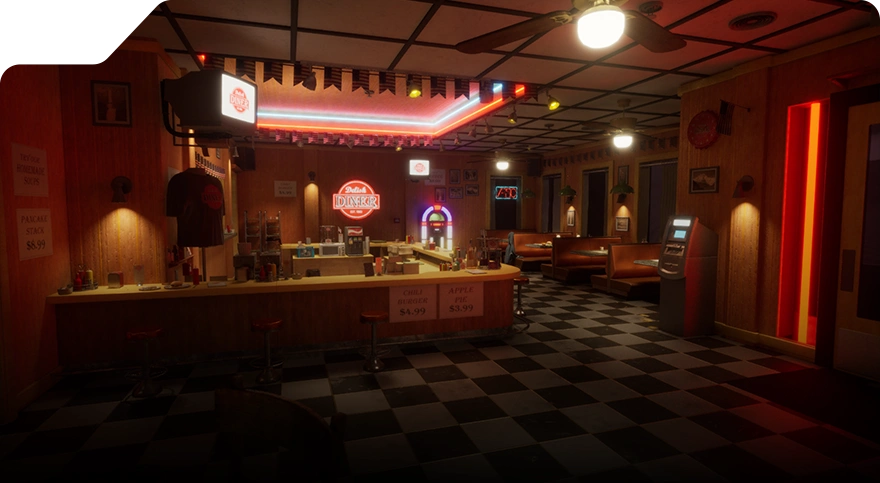
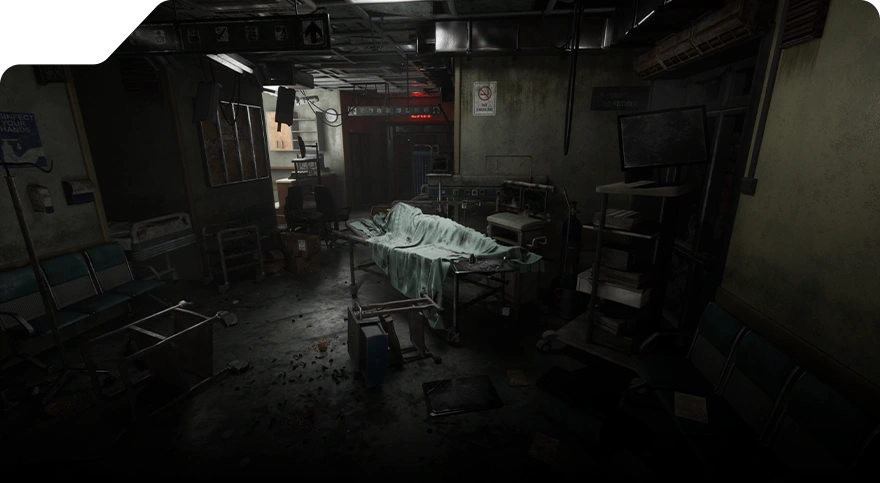
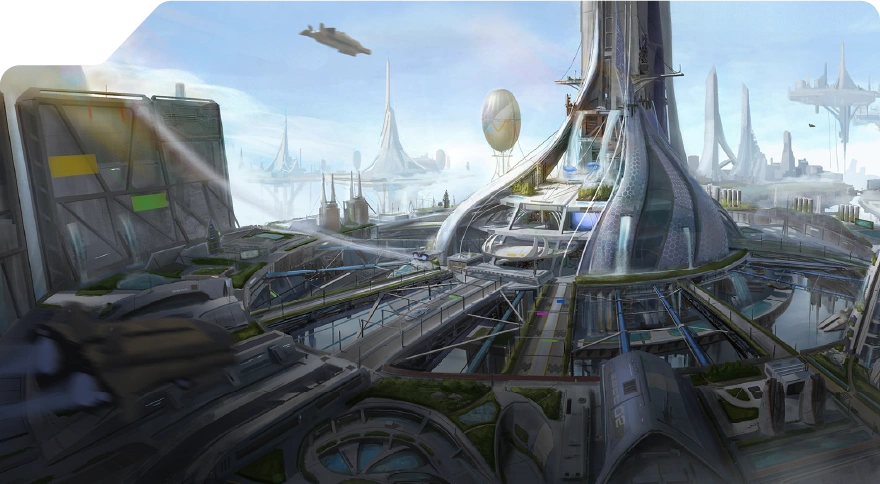
Featured Art: 3D Game Environment by Jia Xin, 3dsense Media School Student
Bringing It All Together: Why Balance Matters
Having creativity, technical skills, and soft skills is critical for video game designers because each area supports the others and contributes to the full development process. Creativity fuels original ideas and emotional impact, technical skills turn those ideas into playable systems, and soft skills help designers collaborate and iterate effectively within a team.
Without balance, designers may struggle to communicate concepts clearly, build feasible systems, or adapt to real-world production demands. When all three skill sets are developed, designers can create stronger, more cohesive games and work more confidently in professional development environments.
Tips for Developing These Skills
Aspiring designers can start building their skillset by focusing on practical experience, consistent learning, and portfolio development. You can start building your skills by:
- Creating small practice projects or game prototypes to test ideas and mechanics
- Learning game engines through tutorials and guided projects
- Studying existing games to analyze what makes them fun, balanced, and engaging
- Building a portfolio that showcases gameplay ideas, prototypes, and design systems
- Participating in game jams or collaborative projects to gain real-world teamwork experience
- Seeking feedback from players and peers and using it to iterate on your designs
Gain the Skills Required for Video Game Design at 3dsense Media School
At 3dsense Media School, our Game Art Diploma offers industry-focused training designed to build both creative and technical foundations. Through hands-on projects, guided mentorship, and portfolio development, students gain the skills and knowledge needed to succeed in real-world game design and development environments.
By enrolling at a leading 3D media school in Singapore , you can develop the confidence, experience, and portfolio required to pursue a career in game design and interactive media. Whether you aim to become a game designer, level designer, or game artist, 3dsense Media School provides the training and support to help you take the next step into the gaming industry.
For more insights into video game design and development, check out our guide on creating concept art for video games .



 Chat Now